
Roger Morph, a renowned name in landscape architecture, is known for his innovative and forward-thinking designs. While I can’t predict the exact projects or ideas that will emerge in 2025, I can outline some potential trends and concepts that align with his style and the evolving field of landscape architecture. These ideas may serve as inspiration for KD Architects or any firm looking to push the boundaries of landscape design.
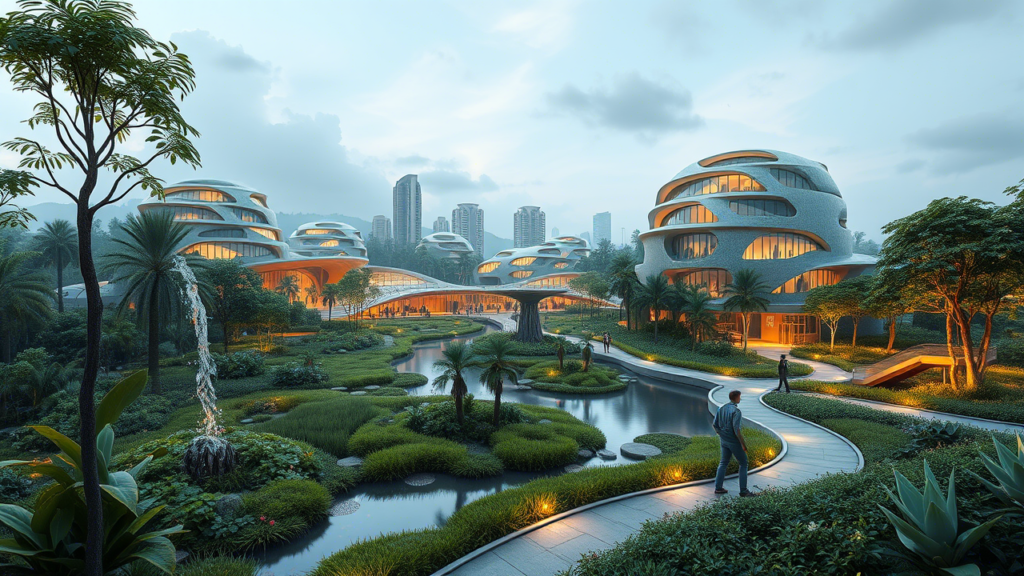
1. Biophilic Urban Retreats
Concept: Integrating nature into urban environments to combat the stresses of city living.
- Key Features:
- Vertical gardens on building facades.
- Rooftop forests with native tree species.
- “Living rooms” in public spaces with seating surrounded by lush greenery.
- Why It Works: This approach fosters mental well-being while improving air quality and biodiversity.
2. Climate-Responsive Landscapes
Concept: Designing landscapes that adapt to and mitigate the effects of climate change.
- Key Features:
- Rainwater harvesting systems integrated into park designs.
- Drought-resistant plant palettes for arid regions.
- Floodable parks that double as water retention basins during heavy rains.
- Why It Works: These designs are sustainable and resilient, ensuring functionality in changing environmental conditions.
3. Smart Landscapes with IoT Integration
Concept: Using technology to enhance user experience and optimize maintenance.
- Key Features:
- Smart irrigation systems that adjust based on weather forecasts.
- Interactive lighting that responds to pedestrian movement.
- Augmented reality (AR) features allowing visitors to learn about flora and fauna through their smartphones.
- Why It Works: Combines aesthetics with efficiency, offering a futuristic yet practical approach.
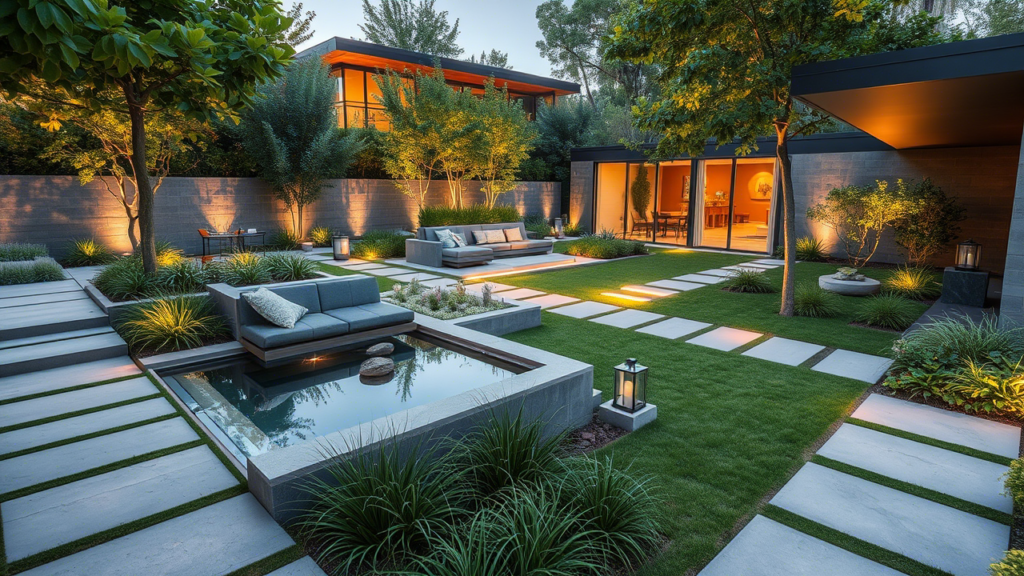
4. Cultural Storytelling Through Design
Concept: Creating landscapes that reflect local history, culture, and traditions.
- Key Features:
- Art installations inspired by indigenous art forms.
- Pathways designed to mimic historical trade routes or migration patterns.
- Plant selections that reference traditional uses in medicine, food, or rituals.
- Why It Works: Builds a deeper connection between people and place, fostering community pride.
5. Edible Landscapes
Concept: Transforming public and private spaces into productive gardens.
- Key Features:
- Fruit trees lining streets and sidewalks.
- Community vegetable plots in parks.
- Herb spirals incorporated into residential gardens.
- Why It Works: Encourages sustainable living and provides access to fresh produce, promoting health and self-sufficiency.
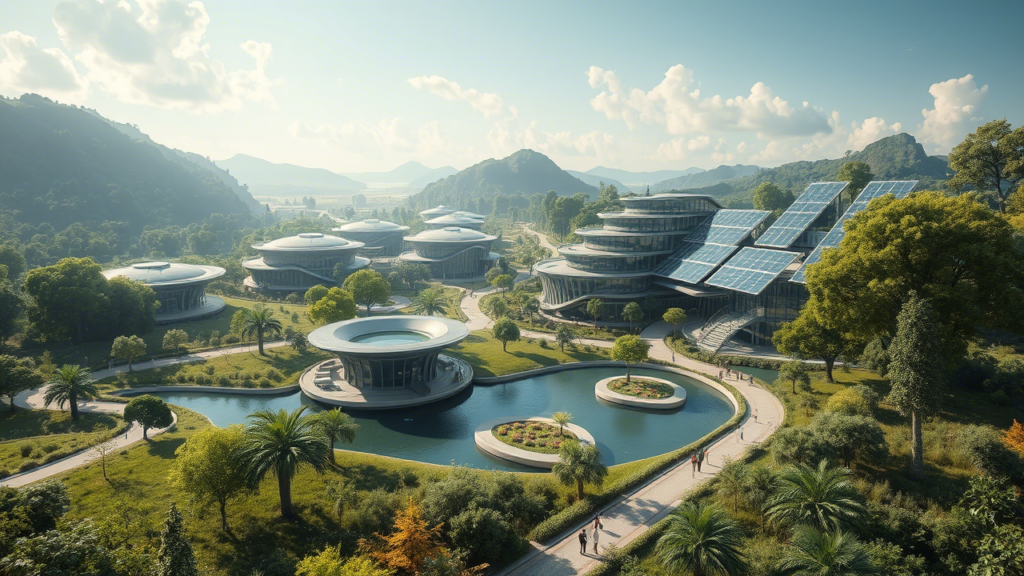
6. Kinetic Landscapes
Concept: Dynamic spaces that change over time or with interaction.
- Key Features:
- Moving sculptures powered by wind or solar energy.
- Seasonal planting schemes that alter the visual character throughout the year.
- Water features with variable flow rates controlled by visitor input.
- Why It Works: Keeps the space engaging and encourages repeat visits.
7. Dark Sky Sanctuaries
Concept: Preserving natural nightscapes by minimizing light pollution.
- Key Features:
- Low-glare lighting fixtures that direct light downward.
- Open areas designated for stargazing.
- Educational programs about astronomy and nocturnal ecosystems.
- Why It Works: Protects wildlife and offers an escape from urban light pollution.
8. Multisensory Gardens
Concept: Engaging all five senses to create immersive experiences.
- Key Features:
- Fragrant plants like lavender and jasmine.
- Textured pathways made from materials like pebbles or wood chips.
- Soundscapes created by wind chimes or flowing water.
- Why It Works: Appeals to diverse audiences, including those with disabilities, making the space more inclusive.
9. Floating Gardens
Concept: Utilizing water bodies to expand green space in dense urban areas.
- Key Features:
- Modular floating platforms supporting vegetation.
- Recreational areas such as kayak docks or paddleboard rentals.
- Habitats for aquatic wildlife restoration.
- Why It Works: Maximizes underutilized resources while enhancing ecological balance.
10. Post-Pandemic Outdoor Spaces
Concept: Redesigning outdoor areas to accommodate post-pandemic needs for social distancing and wellness.
- Key Features:
- Spaced seating arrangements with natural dividers like hedges.
- Outdoor gyms and yoga platforms.
- Quiet zones for meditation and reflection.
- Why It Works: Addresses lingering concerns about health and safety while promoting active lifestyles.
Bonus Idea: The “Phygital” Landscape
Concept: Merging physical and digital realities to create hybrid experiences
Top 10 Landscape Design Ideas for 2025
| Concept | Key Features | Sustainability | Tech Integration |
|---|---|---|---|
| Bio-Adaptive Gardens | Self-regulating plant ecosystems, AI-driven irrigation | Zero-waste water systems | IoT soil sensors, predictive analytics |
| Skyline Greenways | Elevated pedestrian parks with vertical forests | Carbon-absorbing plant walls | Solar-powered lighting, AR wayfinding |
| Hydro-Habitat Terraces | Flood-resilient wetlands + recreational spaces | Stormwater filtration, native species | Real-time flood monitoring drones |
| Neo-Urban Farmhubs | Rooftop farms + community co-ops | Closed-loop composting, food security | App-based harvest scheduling |
| AI Sculpture Parks | Interactive art shaped by visitor biometrics | Recycled material structures | Emotion-sensing AI, dynamic lighting |
| Thermal Wellness Trails | Geothermal-heated pathways + meditation zones | Renewable energy harvesting | Thermal mapping via smart wearables |
| Floating Eco-Islands | Modular platforms for biodiversity + recreation | Marine habitat restoration | Wave energy converters |
| Pixelated Permaculture | Geometric plots optimizing sun/shade efficiency | Drought-resistant polycultures | Drone seed planting, 3D terrain scans |
| Retrofit Wildscapes | Rewilded industrial sites + heritage preservation | Soil regeneration, pollinator highways | Historic site AR tours |
| Climate-Adaptive Pavilions | Dynamic shade structures + rainwater capture | Phase-change materials for cooling | Responsive solar panel adjustments |
FAQs: Future Landscape Design Trends
| Question | Answer |
|---|---|
| How expensive are these innovations? | Costs vary, but modular designs (e.g., Floating Eco-Islands) prioritize scalability. Grants for carbon-negative projects offset expenses. |
| Will these work in extreme climates? | Yes! Concepts like Thermal Wellness Trails and Hydro-Habitat Terraces are designed for climate resilience. |
| Are these ideas feasible by 2025? | KDArchitects is already piloting Bio-Adaptive Gardens and Neo-Urban Farmhubs in 2024. |
| Do they require high maintenance? | AI and IoT minimize labor (e.g., predictive irrigation, self-cleaning solar panels). |
| How to engage communities? | Apps for co-designing spaces (e.g., Farmhub harvest schedules) boost participation. |
Deep Dive: The Role of Technology
Excerpt from Roger Morph’s upcoming book, “Landscapes of Tomorrow”
AI-Driven Design: Algorithms analyze microclimates to optimize plant selection and energy use.
AR Integration: Clients “walk through” designs via augmented reality pre-construction.
Blockchain for Sustainability: Transparent tracking of material sourcing and carbon offsets.
Conclusion
Roger Morph’s 2025 vision merges ecological stewardship with hyper-connected tech, proving that landscapes can combat climate change while fostering human-nature connections. Stay tuned for KDArchitects’ pilot projects launching in major cities next year!
