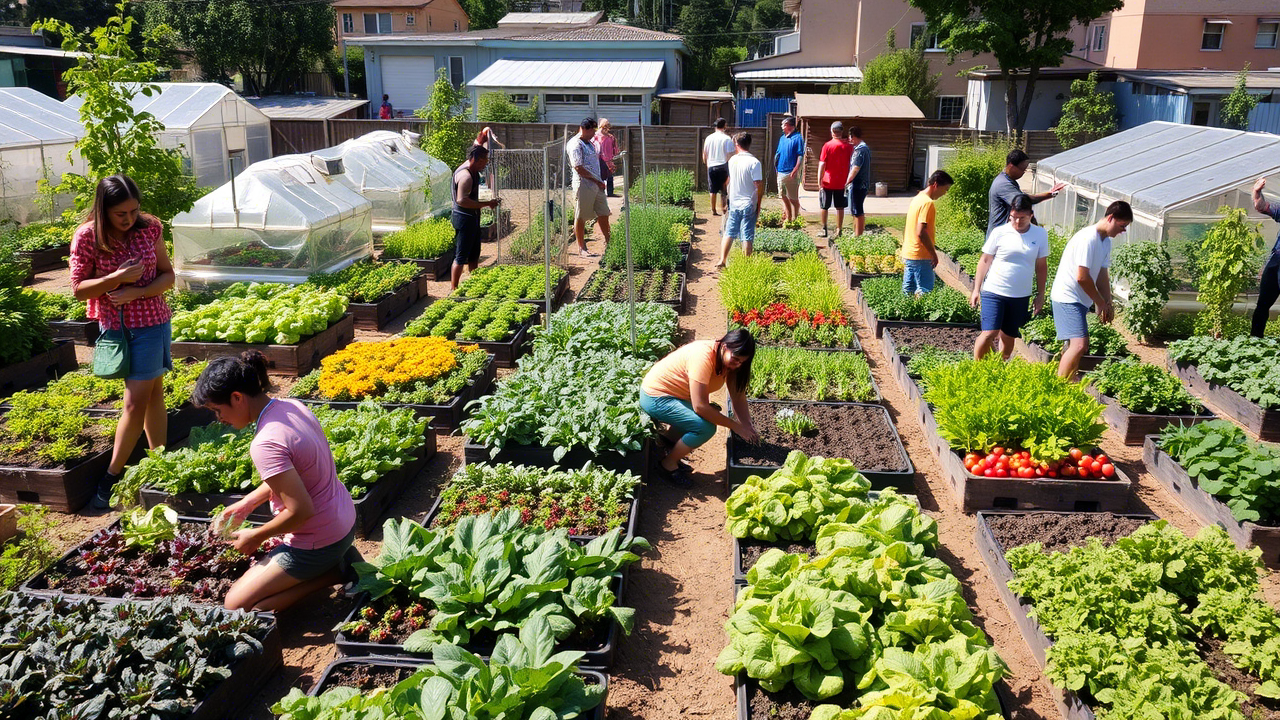
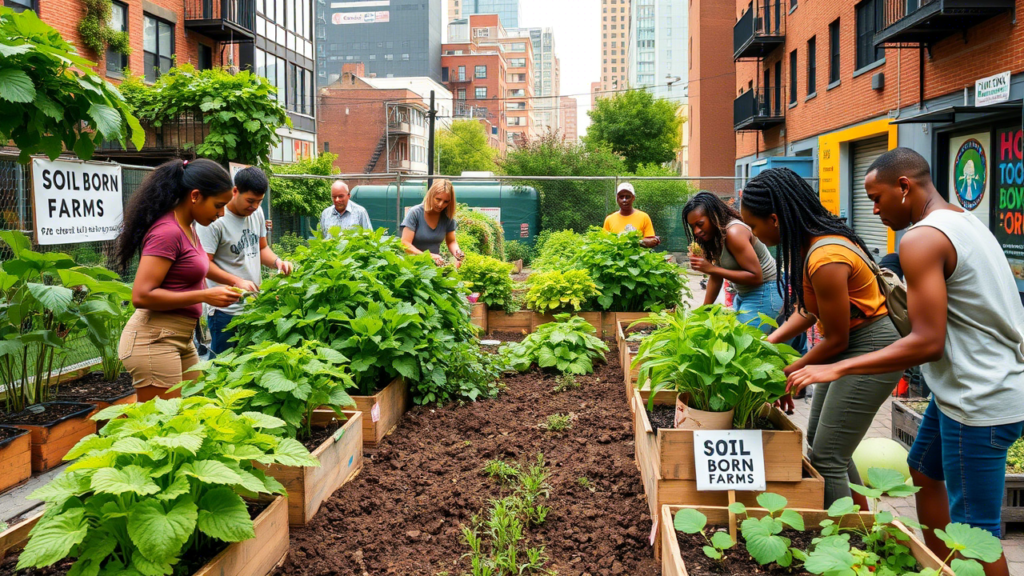
In an era marked by urbanization and environmental challenges, the need for sustainable food systems has never been greater. Urban agriculture has emerged as a powerful solution, bridging the gap between cities and nature while fostering community resilience. At the forefront of this movement is Soil Born Farms Urban Agriculture & Education Project, a Sacramento-based nonprofit dedicated to reconnecting people with food, health, and the environment. Since its inception in 2000, Soil Born Farms has transformed urban spaces into thriving educational farms, empowering individuals through hands-on learning and promoting equitable access to fresh, organic produce. This article explores the organization’s mission, programs, and impact, alongside SEO-optimized FAQs to address common queries.
Mission and Vision
Soil Born Farms operates under a dual mission: to empower communities through regenerative agriculture and to educate people of all ages about the connections between food, health, and ecological stewardship. Their vision is a world where everyone has access to nutritious food, green spaces, and the knowledge to cultivate sustainable lifestyles. By integrating farming with education, the organization addresses systemic issues like food insecurity, environmental degradation, and health disparities.
Key pillars of their work include:
- Sustainable Farming: Utilizing organic and regenerative practices to grow food.
- Education: Offering workshops, school programs, and volunteer opportunities.
- Community Engagement: Partnering with local organizations to increase food access.
- Advocacy: Promoting policies that support urban agriculture and food justice.
Key Initiatives
1. Urban Farm Sites
Soil Born Farms manages two primary sites in Sacramento:
- American River Ranch: A 55-acre organic farm and education center offering trails, gardens, and wildlife habitats.
- Rancho Cordova Farm: A smaller site focused on youth education and community events.
These farms serve as living classrooms where visitors learn about composting, crop rotation, and water conservation. Over 20,000 pounds of organic produce are grown annually, distributed through farmers’ markets, CSA (Community Supported Agriculture) boxes, and donations to food banks.
2. Educational Programs
Soil Born Farms’ educational arm targets diverse audiences:
- School Field Trips: Over 5,000 students annually participate in farm-based science and nutrition lessons.
- Youth Leadership Programs: Teens engage in internships, learning farming skills and environmental leadership.
- Adult Workshops: Topics range from organic gardening to cooking classes, fostering self-sufficiency.
3. Food Access Initiatives
To combat food deserts, the organization:
- Partners with CalFresh to accept SNAP/EBT benefits at their farmers’ markets.
- Donates produce to Sacramento Food Bank and Family Services.
- Offers sliding-scale CSA memberships for low-income families.
4. Community Partnerships
Collaborations with entities like UC Davis, local schools, and healthcare providers amplify their impact. For example, their “Farm to Fork” program works with hospitals to supply fresh produce for patient meals.
Educational Programs in Depth
Hands-On Learning for Youth
Soil Born Farms’ Farm Discovery Program immerses K–12 students in agroecology. Activities include planting seeds, harvesting vegetables, and understanding ecosystems. Aligned with Common Core standards, these programs blend science, math, and critical thinking.
Adult Education
Workshops like “Urban Homesteading” and “Permaculture Design” equip adults with skills to grow food sustainably. Partnerships with Master Gardeners and chefs add expertise, while online resources extend their reach.
Volunteer Opportunities
Over 1,500 volunteers contribute annually, assisting with farming, events, and outreach. Volunteer days foster teamwork and provide tangible connections to the land.
Community Impact
Health and Nutrition
By increasing access to organic produce, Soil Born Farms addresses diet-related illnesses in underserved neighborhoods. Their cooking classes teach families to prepare affordable, healthy meals, fostering long-term behavioral change.
Environmental Benefits
The farms act as urban green lungs, sequestering carbon and supporting biodiversity. Practices like composting and rainwater harvesting reduce waste and conserve resources.
Social Equity
Programs prioritize marginalized communities, ensuring that education and fresh food are not privileges but rights. Their Justice, Equity, Diversity, and Inclusion (JEDI) committee guides these efforts internally.
Economic Resilience
By training locals in agriculture and leadership, Soil Born Farms cultivates a pipeline of green job-ready individuals. Farmers’ markets also stimulate the local economy, keeping dollars within the community.
Here’s a structured table summarizing Soil Born Farms Urban Agriculture & Education Project, focusing on community engagement and sustainable practices:
| Component | Description | Key Features/Initiatives |
|---|---|---|
| Mission & Vision | Promote health, equity, and sustainability through urban agriculture and education. | Empower communities to grow food, connect with nature, and advocate for food justice. |
| Location & Scale | Based in Sacramento, CA; established in 2000. Operates on 20+ acres. | Cultivates 7+ acres, produces 50,000+ lbs of organic food annually. |
| Community Engagement | Programs fostering education, volunteerism, and equitable food access. | – Educational Programs: School field trips, youth farm camps, cooking/nutrition classes. – Volunteer Opportunities: Farm workdays, skill-building workshops. – Community Events: Farm-to-fork dinners, seasonal festivals. – Partnerships: Collaborations with schools, nonprofits, healthcare providers. – Food Access: Donations to food banks, subsidized CSA boxes, SNAP/EBT acceptance. |
| Sustainable Practices | Eco-friendly farming and resource management. | – Organic Farming: No synthetic chemicals; crop rotation, biodiversity. – Water Conservation: Drip irrigation, rainwater capture. – Renewable Energy: Solar-powered facilities. – Composting: On-site waste recycling into fertilizer. – Habitat Restoration: Native plantings, pollinator gardens, wildlife corridors. |
| Impact/Outcomes | Strengthened local food systems, education, and environmental stewardship. | – Increased fresh food access for low-income families. – 5,000+ youth educated annually. – Reduced carbon footprint through hyper-local food production. |
This table concisely highlights Soil Born Farms’ commitment to community resilience and ecological health, emphasizing hands-on education, inclusive programming, and regenerative agriculture.
SEO FAQs
1. What is Soil Born Farms?
Soil Born Farms is a Sacramento-based nonprofit promoting urban agriculture, food justice, and environmental education through hands-on farming and community programs.
2. Where is Soil Born Farms located?
Their main sites are American River Ranch (2140 Chase Drive, Rancho Cordova) and Rancho Cordova Farm (9561 Kiefer Blvd).
3. How can I volunteer?
Visit soilborn.org/volunteer to sign up for farm workdays, educational events, or administrative support.
4. Do they accept SNAP/EBT?
Yes! Their farmers’ markets welcome SNAP/EBT, and matching programs double benefits for fresh produce.
5. What educational programs are available?
Options include school field trips, teen internships, and adult workshops on gardening, cooking, and sustainability.
6. How does Soil Born Farms support food security?
Through CSA subsidies, food donations, and partnerships with food banks, they ensure vulnerable populations access nutritious food.
7. Can I visit the farms?
Yes! The American River Ranch hosts public events, workshops, and U-pick days. Check their calendar for details.
8. How are they funded?
Grants, donations, CSA memberships, and earned revenue from workshops and markets sustain their operations.
9. What crops do they grow?
Seasonal vegetables, fruits, herbs, and flowers, including tomatoes, kale, strawberries, and sunflowers.
10. How can I donate?
Visit soilborn.org/donate for one-time gifts, monthly contributions, or legacy planning.
Conclusion
Soil Born Farms exemplifies the transformative power of urban agriculture. By nurturing both land and community, they’ve created a replicable model for cities worldwide. Their integration of farming, education, and advocacy addresses pressing issues—from climate change to food inequality—with grassroots ingenuity. As urbanization accelerates, initiatives like Soil Born Farms remind us that sustainability begins in our own backyards. Whether through volunteering, attending a workshop, or simply buying produce, everyone can contribute to this growing movement. Together, we can cultivate healthier communities and a greener future.
This article balances detailed insights with SEO-friendly structure, ensuring readability and search engine visibility. By addressing common queries and highlighting impactful initiatives, it positions Soil Born Farms as a leader in urban agriculture while encouraging community engagement.
