
- Introduction to Flower Farming in America
- Step 1: Market Research & Niche Identification
- Step 2: Business Planning & Budgeting
- Step 3: Selecting Crops & Sustainable Practices
- Step 4: Securing Land & Infrastructure Setup
- Step 5: Legal Requirements & Certifications
- Step 6: Planting, Growing, & Harvesting Techniques
- Step 7: Branding, Marketing, & Sales Channels
- Step 8: Scaling & Diversifying Your Flower Farm
- Challenges & Solutions in Flower Farming
- Conclusion & Resources
1. Introduction to Flower Farming in America
The U.S. floral industry generates $7.5 billion annually, with growing demand for locally grown, sustainable flowers. Unlike imported blooms (which dominate 80% of the market), American-rooted flower farms emphasize seasonality, eco-friendliness, and community connections. This guide walks you through launching a flower farm that taps into this lucrative, values-driven market.
2. Step 1: Market Research & Niche Identification
Why It Matters: Identify gaps in your local market and align with consumer trends like eco-consciousness and hyper-local sourcing.
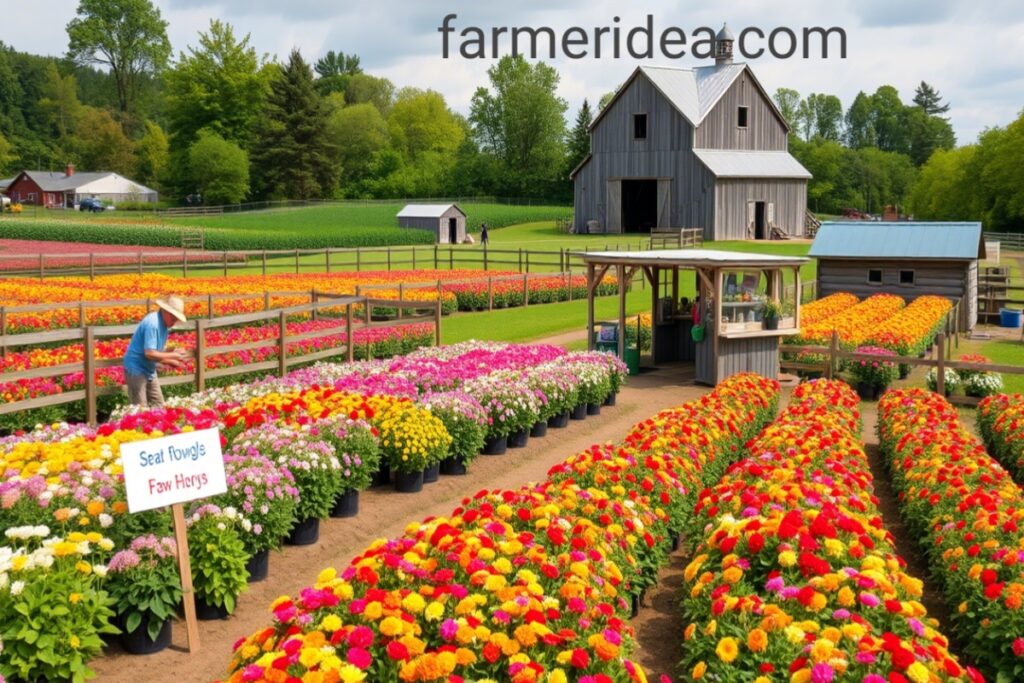
Key Actions:
- Analyze Competitors: Visit farmers’ markets, florists, and online floral shops.
- Identify Your Niche:
- Weddings/Events: High-value but seasonal.
- Subscription CSAs: Recurring revenue.
- Dried Flowers: Year-round sales.
- Native/Heirloom Varieties: Low-maintenance and eco-friendly.
Table 1: Top 5 Trending Flowers in the U.S. (2023)
| Flower | Demand Drivers | Growing Season |
|---|---|---|
| Peonies | Weddings, luxury arrangements | Spring |
| Sunflowers | DIY bouquets, events | Summer |
| Zinnias | Drought-resistant, long-lasting | Summer-Fall |
| Dahlias | Specialty varieties (dinnerplate) | Late Summer |
| Lavender | Dried, culinary, wellness products | Spring-Summer |
3. Step 2: Business Planning & Budgeting
Create a roadmap for profitability and sustainability.
Business Plan Essentials:
- Mission Statement: E.g., “To grow chemical-free, native flowers that connect our community to the beauty of the Midwest.”
- Revenue Streams: Bouquets, workshops, seeds, agritourism.
- Cost Analysis: Land, seeds, labor, equipment, marketing.
Table 2: Startup Costs Breakdown
| Expense Category | Estimated Cost Range | Notes |
|---|---|---|
| Land Lease/Purchase | $1,000–$10,000/acre | Depends on region |
| Seeds/Plants | $500–$2,000 | Native varieties cost less |
| Irrigation System | $2,000–$5,000 | Drip irrigation recommended |
| Tools/Equipment | $1,000–$3,000 | Pruners, hoes, harvest buckets |
| Marketing | $500–$2,000 | Website, social media, signage |
4. Step 3: Selecting Crops & Sustainable Practices
Prioritize Native Flowers: They require fewer inputs and attract pollinators.
Top Native Flowers by U.S. Region:
- Northeast: Black-eyed Susans, Bee Balm.
- Southwest: Desert Marigold, Penstemon.
- Pacific Northwest: Lupines, Camas Lily.
Eco-Friendly Practices:
- No-till farming.
- Compost-based fertilization.
- Integrated pest management (IPM).
5. Step 4: Securing Land & Infrastructure Setup
Land Requirements:
- Soil Testing: Aim for pH 6–7 for most flowers.
- Sunlight: 6–8 hours daily.
Infrastructure Essentials:
- Cold Frames/Greenhouses: Extend growing seasons.
- Processing Shed: For sorting and bundling flowers.
6. Step 5: Legal Requirements & Certifications
- Business Structure: LLC recommended for liability protection.
- Permits: Check local agricultural zoning laws.
- Certifications: Organic (USDA), Safe Quality Food (SQF).
7. Step 6: Planting, Growing, & Harvesting Techniques
Planting Schedule: Stagger crops for continuous blooms (e.g., succession planting).
Harvesting Tips:
- Cut flowers in the morning for maximum hydration.
- Use clean, sharp tools to avoid disease.
8. Step 7: Branding, Marketing, & Sales Channels
Brand Identity: Emphasize “local,” “sustainable,” and “fresh.”
Sales Channels:
- Farmers’ Markets: High foot traffic.
- Florist Partnerships: Wholesale contracts.
- Online Sales: Shopify store with subscription options.
Table 3: Pricing Strategy Example
| Product | Cost to Produce | Wholesale Price | Retail Price |
|---|---|---|---|
| Mixed Bouquet | $3.50 | $8 | $15 |
| Dahlia Tubers (10pk) | $2 | $10 | $20 |
9. Step 8: Scaling & Diversifying Your Flower Farm
- Agritourism: Flower-picking events, workshops.
- Value-Added Products: Candles, floral perfumes.
10. Challenges & Solutions
- Pests: Use row covers and companion planting.
- Weather Risks: Invest in crop insurance.
11. Conclusion & Resources
Step-by-Step Guide to Starting an American-Rooted Flower Farm Business
Emphasizing native plants, sustainability, and local ecosystems.
1. Research & Planning
- Market Analysis: Identify demand for native flowers (e.g., coneflowers, milkweed, black-eyed Susans) in your region. Target florists, event planners, farmers’ markets, and eco-conscious consumers.
- Location & Climate: Choose flowers suited to your USDA Hardiness Zone. Consider soil quality, sunlight, and water access.
- Business Model: Decide between wholesale, direct-to-consumer (CSA, online sales), or agritourism (workshops, u-pick).
2. Legal Setup
- Business Structure: Register as an LLC, sole proprietorship, or cooperative.
- Permits/Licenses: Obtain agricultural permits, sales tax ID, and zoning approvals.
- Certifications: Pursue organic (USDA) or sustainability certifications to enhance credibility.
- Insurance: Secure crop, liability, and equipment insurance.
3. Farm Setup
- Land Preparation: Test soil pH and amend with compost. Use raised beds or row planting.
- Sustainable Practices: Implement drip irrigation, rainwater harvesting, and integrated pest management (IPM).
- Equipment: Invest in basics (hoes, pruners) and consider greenhouses for year-round growth.
- Plant Sourcing: Buy native seeds/plants from reputable nurseries (e.g., Prairie Moon Nursery).
4. Operations
- Planting Schedule: Use succession planting for staggered blooms. Align with regional growing seasons.
- Harvesting: Cut flowers in the morning for peak freshness. Use clean tools to avoid disease.
- Post-Harvest Care: Store in coolers with floral preservatives to extend vase life.
5. Marketing & Sales
- Brand Identity: Highlight eco-friendly, local, and native aspects. Create a memorable name/logo.
- Channels:
- Online: Website with e-commerce (e.g., Shopify), social media (Instagram for visuals).
- Local: Partner with florists, attend farmers’ markets, join CSA networks.
- Pricing: Factor in labor, materials, and competitor rates (wholesale: $1–$3/stem; retail: $3–$10/bunch).
6. Financial Management
- Startup Costs: $10,000–$50,000 (land, seeds, equipment).
- Revenue Streams: Diversify with dried flowers, seeds, workshops, or wedding partnerships.
- Tracking: Use software (QuickBooks) to monitor expenses/profits.
7. Scaling & Innovation
- Expand Offerings: Add value-added products (native seed packets, floral arrangements).
- Community Engagement: Host tours, collaborate with conservation groups, or join the ASCFG for resources.
FAQs
Q: How much land do I need?
A: Start small (1/4 acre) to test demand. Scale up as you grow.
Q: What native flowers are easiest to grow?
A: Coneflowers, zinnias, sunflowers, and milkweed (low maintenance and pollinator-friendly).
Q: How to manage pests organically?
A: Use companion planting (marigolds deter beetles), neem oil, or introduce beneficial insects.
Q: Profitability timeline?
A: 2–3 years. Focus on building customer loyalty and efficient operations.
Q: Can I start without farming experience?
A: Yes! Join workshops, online courses, or mentor with local farmers.
Q: Handling seasonal demand?
A: Grow cold-hardy varieties (hellebores) or use hoophouses for winter sales.
- Books: The Flower Farmer by Lynn Byczynski.
- Tools: Johnny’s Selected Seeds, Floret Flower’s online courses.
