
1. What is greyhound puppy farming?
Greyhound puppy farming refers to the commercial breeding of greyhounds, often on a large scale, for purposes such as racing, pet trade, or other uses. Puppy farms (or mills) prioritize profit over the health, welfare, and socialization of the dogs. This can lead to poor living conditions, inadequate veterinary care, and behavioral issues in the puppies.
Read more
- Pitch Perfect: Unique Tent & Caravan Camping Experiences in India for the Ultimate Road Trip
- What is the price of OnePlus 15 Which is best, OnePlus 12 or iPhone 15?
- 2025 Lemken prepares Karat cultivator for autonomous operation.
- 2025 is a fantastic year to start mushroom farming.
- snow farming and snow storages, and how they are becoming crucial tools for ensuring a sustainable future for ski resorts.
2. Why is greyhound puppy farming controversial?
Greyhound puppy farming is controversial due to several reasons:
- Animal Welfare Concerns: Dogs may be kept in overcrowded, unsanitary, and stressful conditions.
- Overbreeding: Excessive breeding can lead to genetic disorders and health problems in the puppies.
- Ethical Issues: Many people oppose the commodification of animals, especially when their welfare is compromised.
- Connection to Greyhound Racing: Puppy farming often supplies dogs to the racing industry, which has faced criticism for animal cruelty and high euthanasia rates of retired dogs.
3. How can I identify a responsible greyhound breeder vs. a puppy farm?
A responsible breeder prioritizes the health, temperament, and well-being of the dogs. Here are some key differences:
| Aspect | Responsible Breeder | Puppy Farm |
|---|---|---|
| Living Conditions | Clean, spacious, and enriching environments | Overcrowded, unsanitary, and barren enclosures |
| Health Checks | Regular vet visits and health screenings | Minimal or no veterinary care |
| Socialization | Puppies are well-socialized with humans and other dogs | Limited interaction and poor socialization |
| Transparency | Open to visitors and provides pedigree/health records | Avoids transparency and refuses visits |
| Motivation | Passion for the breed and improving its quality | Profit-driven with little regard for welfare |
4. Are greyhounds bred specifically for racing?
Yes, many greyhounds are bred specifically for racing. The demand for fast and competitive dogs drives the breeding industry. However, this practice has been criticized because:
- Not all greyhounds are suitable for racing, leading to surplus dogs.
- Retired or underperforming dogs are often abandoned, euthanized, or sold cheaply.
- The racing industry has been linked to injuries, doping, and neglect of dogs.
5. What happens to greyhounds that don’t make it as racers?
Greyhounds that fail to meet racing standards may face several fates:
- Adoption: Some are rehomed through rescue organizations or adoption programs.
- Euthanasia: Unfortunately, many are euthanized due to lack of demand or resources.
- Neglect: Others may be abandoned or left in poor conditions if they are no longer profitable.
Efforts by greyhound rescue groups and advocacy organizations have improved outcomes for retired racers, but challenges remain.
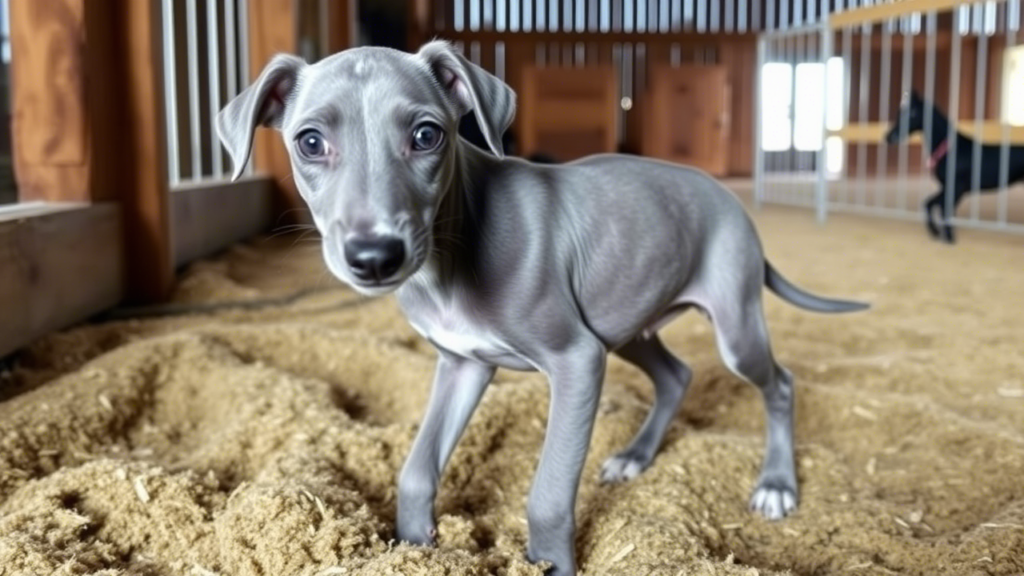
6. Is greyhound puppy farming legal?
The legality of greyhound puppy farming depends on the country or region. In many places:
- Commercial breeding operations are legal but subject to regulations (e.g., limits on the number of breeding dogs, housing standards).
- Enforcement of these regulations can be weak, allowing unethical practices to persist.
- Some countries or states have banned greyhound racing, indirectly affecting puppy farming.
For example:
- In Australia, greyhound racing is banned in some states like New South Wales.
- In the United States, several states have outlawed greyhound racing, reducing the demand for farmed puppies.
7. How does greyhound puppy farming impact dog health?
Puppy farming can have severe negative effects on greyhound health, including:
- Genetic Disorders: Overbreeding increases the risk of inherited conditions like hip dysplasia, heart problems, and vision issues.
- Infectious Diseases: Poor hygiene and overcrowding facilitate the spread of illnesses.
- Behavioral Problems: Lack of socialization and enrichment can result in fearfulness, aggression, or anxiety.
- Shortened Lifespan: Neglect and poor living conditions reduce life expectancy.
8. What can I do to help stop greyhound puppy farming?
There are several ways you can contribute to ending unethical greyhound breeding:
- Adopt, Don’t Shop: Consider adopting a greyhound from a rescue organization instead of buying from breeders.
- Support Advocacy Groups: Donate to or volunteer with organizations working to end puppy farming and promote greyhound welfare.
- Raise Awareness: Educate others about the realities of greyhound farming and racing.
- Advocate for Stricter Laws: Push for stronger regulations and enforcement against puppy mills and unethical breeding practices.
- Boycott Greyhound Racing: Refuse to attend races or support industries tied to greyhound exploitation.
9. Are there alternatives to adopting a greyhound from a breeder?
Yes! There are many reputable greyhound adoption programs and rescue organizations worldwide. These groups specialize in rehoming retired racers and other greyhounds in need. Adopting from a rescue not only saves a life but also reduces demand for farmed puppies.
Some popular greyhound adoption organizations include:
- Greyhound Rescue (Australia)
- Greyhound Friends (USA)
- Forever Hounds Trust (UK)
10. What should I consider before adopting a greyhound?
Greyhounds are wonderful companions, but they have unique needs:
- Exercise: Despite their speed, greyhounds are generally low-energy dogs that require moderate exercise.
- Space: They enjoy having enough room to stretch out but do not necessarily need a large yard.
- Temperament: Greyhounds are typically gentle, affectionate, and good with families, but they may need time to adjust to new environments.
- Health Care: Be prepared for potential medical expenses related to breed-specific issues.
- Training: While intelligent, greyhounds may need guidance on house rules and leash manners.
Final Thoughts
Greyhound puppy farming raises important ethical and welfare concerns. By supporting responsible breeding practices, advocating for stricter regulations, and choosing adoption over purchasing, we can help improve the lives of these incredible dogs.
If you’re considering bringing a greyhound into your life, remember that adoption not only gives a dog a second chance but also helps combat the cycle of exploitation perpetuated by puppy farming
The greyhound industry, particularly linked to racing, has long been shadowed by unethical practices like puppy farming, where dogs are bred in poor conditions for profit. This guide outlines innovative strategies for ethically managing and selling greyhound puppies, ensuring welfare while dismantling demand for puppy mills.
1. Ethical Breeding Practices
- Health-Centric Approach: Conduct genetic screenings for common greyhound ailments (hip dysplasia, cardiac issues) and partner with veterinarians for regular health checks.
- Sustainable Environments: Create spacious, clean living areas with eco-friendly materials and waste management systems.
- Socialization Protocols: Implement early socialization with humans and other animals, using enrichment tools like puzzle feeders to boost cognitive development.
- Retired Racing Greyhounds: Advocate adopting retired racers to reduce overbreeding. Collaborate with rescues to rehome them, emphasizing their suitability as pets.
2. Transparent Sales Strategies
- Direct-to-Consumer Model: Avoid third-party sellers; use personalized meetings to assess buyer suitability. Offer virtual facility tours via apps for transparency.
- Lifetime Return Policy: Guarantee to reclaim any dog if owners can’t care for them, preventing shelter surrender.
- Microchipping & Blockchain: Use microchips paired with blockchain technology to provide tamper-proof health and lineage records.
3. Educating Buyers
- Spotting Puppy Farms: Create checklists (e.g., multiple litters, no parent interaction) and share via social media.
- Breed-Specific Workshops: Host webinars on greyhound care, highlighting their need for exercise, anesthesia sensitivity, and dietary requirements.
- Certification Badges: Partner with organizations like the AKC to certify ethical practices, displayed prominently in marketing materials.
4. Legal and Certification Compliance
- Regulatory Adherence: Detail local breeding laws and secure licenses. Pursue certifications from animal welfare groups (e.g., Humane Society).
- Breed Club Alliances: Align with greyhound clubs to stay updated on breed standards and ethical guidelines.
5. Innovative Marketing
- Storytelling Campaigns: Share puppies’ journeys from birth to adoption through video diaries on platforms like Instagram.
- Post-Adoption Apps: Develop apps offering training tips, vet reminders, and community forums for support.
- Collaborations: Partner with influencers and animal welfare NGOs to amplify ethical messaging.
6. Post-Sale Support
- Neutering/Spaying Agreements: Include clauses in contracts to prevent unauthorized breeding, with discounts for compliance.
- Lifetime Support Packages: Offer discounted vet plans or training sessions to foster long-term commitment.
7. Sustainability and Technology
- Eco-Friendly Practices: Use solar-powered kennels and biodegradable cleaning products.
- AI Health Monitoring: Deploy wearable tech to track puppies’ health metrics, shared with buyers for ongoing assurance.
Conclusion
Ethical greyhound breeding and sales require a blend of transparency, education, and innovation. By prioritizing welfare, leveraging technology, and fostering buyer trust, breeders can combat puppy farming while promoting the greyhound’s legacy as a beloved companion. Together, we can redefine the industry—one responsible litter at a time.
