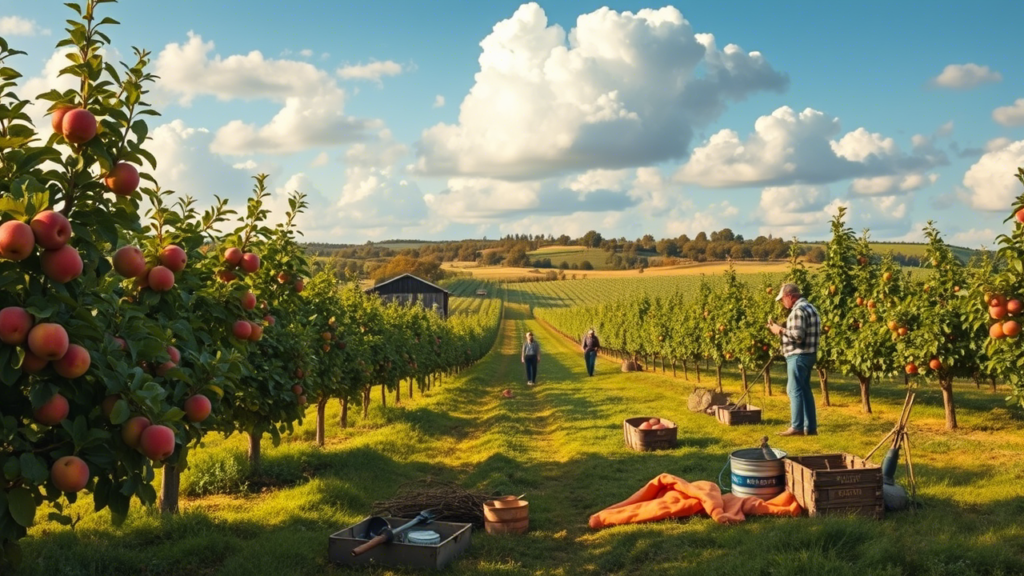
Brookdale Fruit Farm, located in Hollis, New Hampshire, is a seventh-generation family-owned farm that has been operating since 1845. Spanning over 400 acres, the farm is a leader in sustainable agriculture, wholesale distribution, and agritourism. It specializes in fruit and vegetable production, pick-your-own (PYO) programs, and farm supply retailing. This article explores Brookdale’s management strategies, operational costs, and financial considerations, providing insights for aspiring farmers and agribusinesses.
1. Overview of Brookdale Fruit Farm
History and Legacy
- Established in 1845, Brookdale has evolved from a subsistence farm into a diversified agricultural enterprise .
- The Hardy and Whittemore families have maintained ownership, with the seventh generation now actively managing operations .
- The farm was one of the first in New Hampshire to adopt Integrated Pest Management (IPM) and precision farming techniques to reduce pesticide use .
Key Operations
| Category | Details |
|---|---|
| Crops Grown | Apples (20+ varieties), blueberries, peaches, strawberries, heirloom tomatoes, pumpkins, squash . |
| Retail & Wholesale | Supplies major retailers like Hannaford and Market Basket, alongside a farm stand selling local goods . |
| Agritourism | Offers PYO fruit, hayrides, corn mazes, and an ice cream stand . |
| Farm Supplies | Sells irrigation systems, row covers, and organic fertilizers through Brookdale Farm Supplies . |
2. Management Strategies
A. Sustainable Farming Practices
- Integrated Pest Management (IPM)
- Reduces pesticide use by monitoring pests and applying targeted treatments .
- Uses GPS technology for precision fertilizer application .
- Trickle Irrigation & Soil Conservation
- Implements drip irrigation to conserve water and deliver nutrients efficiently .
- Practices crop rotation and soil mapping to maintain soil health .
- Organic Transition Efforts
- Limited organic production (12 acres) due to historical fertilizer use but grows heirloom potatoes and cucumbers organically .
B. Technology & Innovation
- Controlled Atmosphere (CA) Storage
- Extends apple shelf life using sealed rooms with regulated oxygen levels .
- Requires annual pressure testing to ensure efficiency .
- Automated Packing Lines
- A $1.5M optical sorting system minimizes bruising and improves grading .
C. Business Diversification
| Revenue Stream | Description |
|---|---|
| Wholesale Distribution | Supplies supermarkets across New England . |
| Retail Farm Stand | Sells produce, honey, maple syrup, and local crafts . |
| Farm Supplies | Generates income through irrigation systems and row covers . |
| Agritourism | Fall festivals, PYO programs, and ice cream sales boost profits . |
3. Cost Analysis
A. Initial Investment & Infrastructure
| Expense Category | Estimated Cost | Details |
|---|---|---|
| Land Acquisition | $1M–$5M (varies) | 400+ acres, partially under conservation easement . |
| Irrigation Systems | $50,000–$200,000 | Drip irrigation and filtration setup . |
| Cold Storage | $500,000+ | CA rooms for apple storage . |
| Packing Equipment | $1.5M | Optical sorters, conveyors, and foam rollers . |
B. Operational Costs
| Cost Factor | Annual Estimate | Notes |
|---|---|---|
| Labor | $200,000–$500,000 | Seasonal workers for harvesting and retail . |
| Pest Management | $20,000–$50,000 | IPM reduces chemical costs . |
| Water & Fertilizers | $30,000+ | Trickle irrigation cuts water usage . |
| Marketing | $10,000–$30,000 | Promotes PYO events and wholesale partnerships . |
C. Revenue & Profitability
| Income Source | Estimated Annual Revenue |
|---|---|
| Wholesale Sales | $1M–$3M (varies by season) . |
| Farm Stand Retail | $300,000–$700,000 . |
| Agritourism | $100,000–$250,000 (fall season) . |
| Farm Supplies | $500,000+ . |
Net Profit Margin: ~10–20%, depending on crop yields and market demand .
4. Challenges & Future Outlook
Key Challenges
- Labor Shortages: Reliance on seasonal workers .
- Climate Risks: Unpredictable weather affecting yields (e.g., 2023 was a “disaster year”) .
- Organic Transition Costs: High investment for certification .
Growth Opportunities
- Expanding Agritourism: Adding more family-friendly attractions .
- E-Commerce for Farm Supplies: Online sales of irrigation systems .
- Value-Added Products: Cider, jams, and frozen fruits .
Brookdale Fruit Farm: Management Strategies and Cost Analysis FAQs
Management Strategies FAQs
- What sustainable farming practices does Brookdale Fruit Farm use?
Brookdale employs crop rotation, cover cropping, and organic fertilizers to maintain soil health. Drip irrigation and rainwater harvesting are used for efficient water management, reducing environmental impact. - How does the farm manage pest and disease control?
We utilize Integrated Pest Management (IPM), incorporating natural predators, pheromone traps, and disease-resistant crop varieties to minimize chemical use and promote ecological balance. - What labor management strategies are in place during peak seasons?
Seasonal hiring, partnerships with local labor agencies, and efficiency training programs ensure adequate staffing. Automation in sorting and packaging also reduces manual workload. - Does Brookdale use technology in its operations?
Yes, precision agriculture tools like soil sensors, drones for crop monitoring, and automated irrigation systems optimize resource use and enhance yield predictability. - How does the farm handle product diversification?
We diversify through value-added products (jams, ciders) and agritourism (pick-your-own events), reducing reliance on single revenue streams and enhancing market resilience. - What waste management practices are implemented?
Organic waste is composted for soil enrichment, while imperfect produce is repurposed into value-added products or donated to reduce waste.
Cost Analysis FAQs
- What are the primary cost drivers for the farm?
Major expenses include labor (especially seasonal wages), organic certification fees, irrigation infrastructure, and technology investments. - How does the farm balance organic certification costs?
While certification incurs higher labor and input costs, we offset these through premium pricing, grants for sustainable practices, and long-term soil health benefits. - What strategies reduce operational costs?
Bulk purchasing of inputs, energy-efficient equipment, and preventive machinery maintenance lower expenses. Solar panels also cut energy costs. - How does weather variability impact budgeting?
We allocate reserves for crop insurance, diversified crops to spread risk, and invest in protective infrastructure (e.g., frost fans, greenhouses). - Are government subsidies or grants utilized?
Yes, we access programs like the USDA’s Organic Cost Share Program and state grants for sustainable agriculture to offset certification and technology costs. - How is ROI measured for technology investments?
Metrics include yield improvements, water/energy savings, and labor efficiency gains. For example, automated irrigation reduces water use by 20%, providing a 3-year payback period. - What pricing strategies are used for market fluctuations?
Dynamic pricing adjusts based on demand, while fixed-price contracts with local retailers ensure stability. Direct-to-consumer sales via farmers’ markets offer higher margins.
Brookdale Fruit Farm integrates sustainable practices and technology to enhance efficiency, while strategic cost management ensures profitability. These FAQs highlight our commitment to ecological stewardship and financial resilience, addressing common stakeholder inquiries. For specific details, direct consultations are recommended.
Conclusion
Brookdale Fruit Farm exemplifies sustainable, diversified farming through innovative management and multiple revenue streams. While initial costs are high, strategic investments in technology and agritourism ensure long-term profitability. For aspiring farmers, Brookdale’s model highlights the importance of adaptability, sustainability, and community engagement in modern agriculture