
Machinery & Equipment Safety
- Always use Roll-Over Protective Structures (ROPS) and seat belts on tractors.
- Perform regular maintenance and inspections on machinery.
- Turn off equipment completely before adjusting, repairing, or cleaning.
- Keep bystanders, especially children, away from operating machinery.
- Ensure all equipment guards (e.g., PTO shields) are intact and functional.
- Never modify or remove safety devices from machinery.
- Wait for all moving parts to stop before approaching equipment.
- Avoid loose clothing, jewelry, or long hair near machinery.
- Never allow extra riders on tractors or machinery.
- Use lockout/tagout procedures during repairs.
Chemical Safety
- Store chemicals in original, labeled containers in secure, ventilated areas.
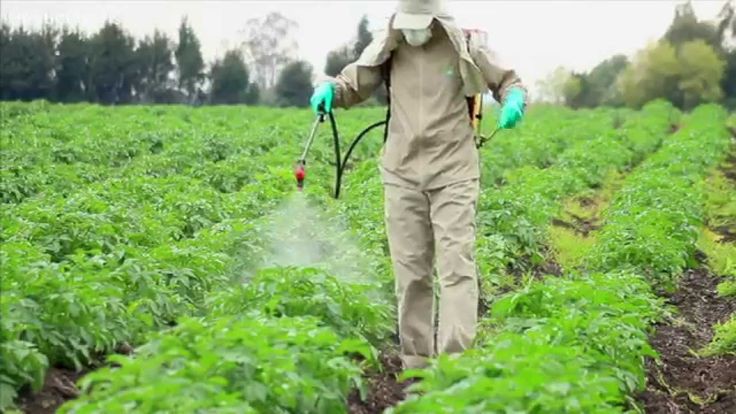
- Wear appropriate PPE (gloves, masks, goggles) when handling chemicals.
- Follow label instructions for mixing, applying, and disposing of chemicals.
- Never eat, drink, or smoke while handling chemicals.
- Dispose of empty chemical containers properly (e.g., triple-rinsed).
- Install emergency eyewash/shower stations near chemical storage areas.
- Wash hands and clothing thoroughly after chemical use.
Livestock Safety
- Approach animals calmly and avoid sudden movements.
- Always be aware of an animal’s blind spots.
- Keep children away from large or unpredictable livestock.
- Use caution around mothers with newborns (e.g., cows, horses).
- Maintain secure fencing and gates to control livestock movement.
- Wear sturdy boots with slip-resistant soles around animals.
- Vaccinate livestock to reduce disease transmission risks.
- Learn to recognize signs of stress or aggression in animals.
Electrical Safety
- Keep equipment and ladders away from overhead power lines.
- Inspect electrical cords and wiring regularly for damage.
- Use Ground Fault Circuit Interrupter (GFCI) outlets in wet areas.
- Avoid overloading circuits; use heavy-duty extension cords.
- Ensure electrical panels are accessible and clearly labeled.
Weather & Environmental Safety
- Stay hydrated and take breaks in shaded/cool areas during heat.
- Wear sunscreen, wide-brimmed hats, and UV-protective clothing.
- Avoid working outdoors during extreme cold without layered clothing.
- Monitor weather forecasts and seek shelter during storms.
- Secure loose objects (e.g., hay bales) in high winds.
Ergonomics & Manual Handling
- Lift with your legs, not your back, and avoid twisting motions.
- Use mechanical aids (e.g., carts, hoists) for heavy loads.
- Adjust equipment seats and controls for operator comfort.
- Rotate tasks to prevent repetitive strain injuries.
- Take regular breaks to reduce fatigue.
Emergency Preparedness
- Keep fully stocked first-aid kits in accessible locations.
- Train workers in CPR, first aid, and fire extinguisher use.
- Post emergency contacts (poison control, local hospital) visibly.
- Develop and practice an emergency response plan.
- Install fire extinguishers near workshops and chemical storage areas.
Child Safety
- Supervise children at all times and designate safe play zones.
- Teach children that machinery is not a toy.
- Assign age-appropriate tasks (e.g., no operating equipment under 16).
- Restrict access to hazardous areas (grain bins, silos, ponds).
- Educate children about animal behaviors and farm dangers.
Additional Specialized Tips
- Grain Bin Safety: Never enter a grain bin alone; use a harness and spotter.
- Trenching: Use protective systems (e.g., trench boxes) to prevent collapses.
- Noise Protection: Wear earplugs or earmuffs in loud environments.
- Respiratory Safety: Use masks/respirators in dusty or chemical-laden areas.
- Fire Prevention: Store flammable materials away from heat sources; ban smoking near combustibles.
- Fall Protection: Use harnesses and secure ladders when working at heights.
Here’s a comprehensive list of 50 Farm Safety FAQs organized by category to address common questions and concerns:
1. Machinery & Equipment Safety
- How often should I inspect my tractor for safety?
Answer: Perform inspections daily before use and follow the manufacturer’s maintenance schedule. - Why are ROPS (Roll-Over Protective Structures) mandatory on tractors?
Answer: ROPS prevent fatal injuries during rollovers; always pair with a seatbelt. - Can children ride as passengers on farm machinery?
Answer: No—never allow extra riders, as machinery is designed for one operator. - What precautions should I take before repairing equipment?
Answer: Turn off the engine, disconnect power, and use lockout/tagout procedures. - How do I ensure bystanders are safe when operating machinery?
Answer: Check surroundings for people/pets and use audible warnings (e.g., horns) before starting.
2. Livestock Handling
- How should I approach unpredictable livestock?
Answer: Stay calm, avoid sudden movements, and approach from the side (not directly behind). - What type of fencing is safest for containing animals?
Answer: Use sturdy, well-maintained fencing designed for the species (e.g., barbed wire for cattle). - Why is an escape route important when working with large animals?
Answer: Animals may charge; always plan a quick exit path to avoid being trapped. - What protective gear is essential for handling livestock?
Answer: Steel-toe boots, gloves, and helmets (for horses or bulls). - Is it safe to work alone with aggressive livestock?
Answer: No—always have a partner nearby in case of emergencies.
3. Chemical Safety
- How should pesticides and fertilizers be stored?
Answer: In labeled, airtight containers in a locked, ventilated area away from heat/children. - What PPE is required when handling chemicals?
Answer: Gloves, goggles, respirators, and chemical-resistant clothing. - Can I reuse chemical containers for other purposes?
Answer: Never—clean and dispose of them according to local regulations. - What should I do if I spill a hazardous chemical?
Answer: Evacuate the area, contain the spill, and follow SDS (Safety Data Sheet) protocols. - Is it safe to eat or drink while applying chemicals?
Answer: No—wash hands thoroughly before eating or touching your face.
4. General Farm Safety
- How can I avoid heat exhaustion during summer work?
Answer: Hydrate frequently, wear breathable clothing, and take breaks in the shade. - Where should I keep a first aid kit on the farm?
Answer: In easily accessible locations (workshop, tractor cab, barn) and vehicles. - What’s the safest way to lift heavy objects?
Answer: Bend at the knees, keep the load close, and avoid twisting your back. - How often should fire extinguishers be inspected?
Answer: Monthly checks and annual professional servicing. - What should I do if I’m working alone and get injured?
Answer: Always carry a phone or two-way radio and inform someone of your schedule.
5. Emergency Preparedness
- What emergency numbers should be posted on the farm?
Answer: Local fire, police, poison control, and nearest hospital. - How do I create a fire evacuation plan?
Answer: Map exits, designate a meeting point, and practice drills with workers. - What’s included in a livestock emergency plan?
Answer: Relocation routes, backup feed/water, and contact info for veterinarians. - Why are GFCI outlets required in farm buildings?
Answer: They prevent electrocution by cutting power during electrical faults. - How often should first aid/CPR training be refreshed?
Answer: Renew certification every 2 years or as required by local guidelines.
6. Child Safety
- At what age can children operate farm equipment?
Answer: Follow labor laws—most regions prohibit under-16s from operating heavy machinery. - How do I childproof a farm?
Answer: Lock chemicals, fence off ponds/machinery, and create supervised play zones. - Can children help with livestock chores?
Answer: Only under direct adult supervision and with age-appropriate tasks. - What farm hazards are most dangerous to kids?
Answer: Machinery, water sources (ponds, troughs), and unrestrained animals. - How do I teach kids about farm safety?
Answer: Use age-appropriate lessons, role-playing, and clear rules (e.g., “No playing near tractors”).
7. Seasonal Safety
- How can I avoid hypothermia in winter?
Answer: Wear layers, insulated boots, and take breaks in heated areas. - What’s the safest way to work during a heatwave?
Answer: Schedule tasks for early morning/evening and monitor for heatstroke symptoms. - How do I prevent grain bin entrapment?
Answer: Never enter alone, use harnesses, and avoid “walking down” grain. - Are there risks to using heaters in barns?
Answer: Yes—ensure proper ventilation to prevent carbon monoxide buildup. - How do I prepare for severe weather (e.g., tornadoes)?
Answer: Identify storm shelters and monitor weather alerts.
8. Workshop & Tool Safety
- What’s the most common workshop injury?
Answer: Cuts from unguarded blades or improper tool use. - Should I wear gloves while using power tools?
Answer: No—gloves can get caught; use protective eyewear instead. - How do I safely maintain tools?
Answer: Sharpen blades, lubricate moving parts, and replace damaged equipment. - What’s the danger of using damaged extension cords?
Answer: Exposed wires can cause fires or electrocution; replace frayed cords immediately. - How can I avoid workshop fires?
Answer: Store flammables safely, clean sawdust, and avoid overloading circuits.
9. Electrical Safety
- Can I repair farm wiring myself?
Answer: Only licensed electricians should handle wiring to meet safety codes. - How do I protect outdoor equipment from lightning?
Answer: Unplug during storms and install surge protectors. - Why is grounding important for farm equipment?
Answer: Prevents electric shocks from faulty machinery. - What’s the safest way to use generators?
Answer: Operate outdoors, away from windows, and never backfeed into home wiring. - How do I prevent electrocution in wet conditions?
Answer: Use GFCI outlets and avoid operating equipment in standing water.
10. Fire Safety
- What type of fire extinguisher is best for farms?
Answer: ABC-class extinguishers (for fires involving wood, chemicals, and electricity). - How do I store hay to prevent spontaneous combustion?
Answer: Ensure hay is dry (<20% moisture) and store in well-ventilated areas. - Can I smoke on the farm?
Answer: Only in designated areas far from chemicals, fuel, or hay storage. - What causes most farm fires?
Answer: Electrical faults, overheated machinery, and improper chemical storage. - How often should I clean equipment to prevent fires?
Answer: Remove debris (e.g., dry grass, oil) after each use to avoid ignition.
