
Moisture in a crawl space can lead to mold growth, wood rot, pest infestations, and structural damage. Fixing the issue requires addressing both the source of the moisture and implementing measures to prevent future problems. Below is a step-by-step guide to resolving moisture issues in your crawl space:
1. Identify the Source of Moisture
Before taking action, determine where the moisture is coming from. Common sources include:
- Groundwater seepage: Water entering through the soil or foundation walls.
- Condensation: Humid air condensing on cold surfaces.
- Leaking pipes: Plumbing leaks under the house.
- Poor drainage: Surface water pooling around the foundation.
- Ventilation issues: Excessive humidity due to improper ventilation.
Inspect the crawl space carefully during and after rain to pinpoint the source.
2. Improve Drainage Around the Foundation
Proper drainage is critical to preventing water from entering the crawl space.
- Grade the soil away from the foundation: Ensure the ground slopes away from your home at a rate of about 6 inches over 10 feet to direct water away.
- Install or repair gutters and downspouts: Make sure gutters are clean and functioning properly. Extend downspouts at least 4–6 feet away from the foundation.
- Add a French drain: If groundwater is a persistent issue, consider installing a French drain around the perimeter of the crawl space to divert water away.
3. Seal the Crawl Space
Sealing prevents moisture from entering and reduces humidity levels.
- Install a vapor barrier:
- Cover the entire dirt floor with a heavy-duty plastic vapor barrier (6–20 mil thickness).
- Overlap seams by 12 inches and seal them with waterproof tape.
- Extend the barrier up the walls and secure it with adhesive or stakes.
- Seal foundation vents: In humid climates, sealing vents can help prevent moist outdoor air from entering.
- Caulk gaps and cracks: Use caulk or foam sealant to close any gaps around pipes, ducts, or other penetrations.
4. Address Standing Water
If there is standing water in the crawl space, you’ll need to remove it and prevent it from returning.
- Pump out water: Use a sump pump or wet/dry vacuum to remove standing water.
- Install a sump pump system: For recurring water issues, install a sump pump with a pit and discharge line to carry water away from the foundation.
- Check for plumbing leaks: Inspect all pipes and fixtures for leaks and repair them immediately.
5. Control Humidity Levels
High humidity can cause condensation and exacerbate moisture problems.
- Use a dehumidifier: Install a crawl space dehumidifier to maintain humidity levels below 60%.
- Ensure proper ventilation: If your climate allows, use vents or fans to improve airflow. However, in humid areas, sealing the crawl space and using a dehumidifier is often more effective.
6. Insulate the Crawl Space
Insulation helps reduce condensation and improves energy efficiency.
- Insulate walls: Use rigid foam board insulation on the interior walls of the crawl space.
- Avoid fiberglass insulation: Fiberglass absorbs moisture and can lose its insulating properties when wet.
- Seal rim joists: Insulate and seal the rim joists with spray foam or rigid foam boards.
7. Monitor and Maintain
Regular maintenance is key to keeping your crawl space dry.
- Inspect regularly: Check for signs of moisture, mold, or pests every few months.
- Test humidity levels: Use a hygrometer to monitor humidity and ensure it stays below 60%.
- Clean gutters and drains: Keep gutters and downspouts clear and ensure drainage systems are functioning.
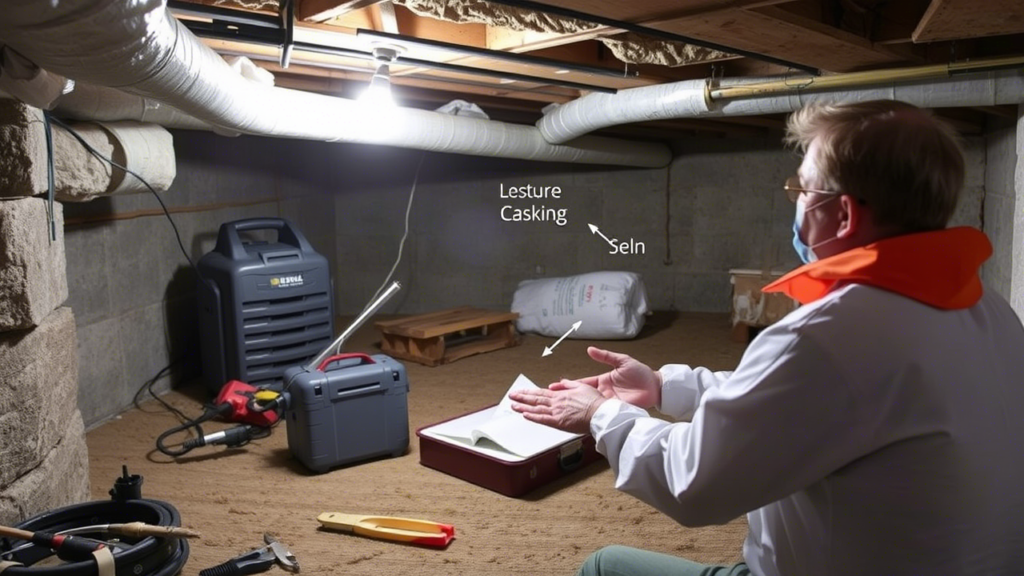
8. Consider Professional Help
If the problem is severe or you’re unsure how to proceed, consult a professional. They can:
- Perform a detailed inspection.
- Recommend specific solutions like encapsulation or advanced drainage systems.
- Handle complex repairs like foundation work or sump pump installation.
Additional Tips
- Avoid storing items directly on the ground in the crawl space, as they can absorb moisture.
- Be cautious of DIY solutions if you suspect mold or structural damage—these issues may require professional remediation.
By following these steps, you can effectively address moisture in your crawl space and protect your home from long-term damage.
Crawl Space Repair: A Comprehensive Guide
A crawl space is an area beneath a home that provides access to plumbing, electrical systems, and other utilities. Over time, crawl spaces can develop issues such as moisture, mold, pests, structural damage, or insulation problems. Repairing and maintaining your crawl space is essential for the overall health of your home, energy efficiency, and indoor air quality.
Here’s a step-by-step guide to help you understand and address common crawl space repair issues:
crawl space repair
1. Assess the Problem
Before starting any repairs, it’s crucial to identify the specific issues affecting your crawl space. Common problems include:
- Moisture and Water Intrusion: Standing water, damp soil, or high humidity levels.
- Mold and Mildew: Fungal growth caused by excess moisture.
- Pests and Rodents: Infestations of insects, rodents, or other critters.
- Structural Damage: Sagging beams, joists, or floor supports.
- Insulation Issues: Damaged, missing, or improperly installed insulation.
- Vapor Barrier Problems: Torn or missing vapor barriers leading to moisture issues.
Action Steps:
- Conduct a thorough inspection of the crawl space.
- Use a moisture meter to check humidity levels.
- Look for signs of water pooling, mold, or pest activity.
- Check the condition of the foundation walls, support beams, and insulation.
2. Address Moisture and Water Problems
Excess moisture is one of the most common issues in crawl spaces. It can lead to mold growth, wood rot, and structural damage.
Solutions:
- Install a Vapor Barrier: Cover the dirt floor with a heavy-duty plastic sheet (6-20 mil thickness) to prevent moisture from evaporating into the crawl space.
- Improve Drainage: Ensure gutters and downspouts direct water away from the foundation. Install a French drain or sump pump if necessary.
- Seal Vents and Cracks: Seal crawl space vents and gaps in the foundation to prevent outside air and moisture from entering.
- Use a Dehumidifier: Install a crawl space dehumidifier to maintain optimal humidity levels (below 60%).
3. Fix Structural Issues
If you notice sagging floors, cracked beams, or damaged supports, it’s critical to address these problems promptly to prevent further damage.
Solutions:
- Reinforce Joists and Beams: Add additional support posts or sister joists to stabilize sagging areas.
- Replace Rotted Wood: Remove and replace any wood that has been compromised by moisture or pests.
- Consult a Structural Engineer: For significant structural issues, hire a professional to assess and recommend repairs.
4. Insulate the Crawl Space
Proper insulation is essential for energy efficiency and preventing drafts in your home.
Solutions:
- Encapsulate the Crawl Space: Combine a vapor barrier with insulated walls to create a sealed environment.
- Use Closed-Cell Spray Foam: Apply spray foam insulation to the walls and rim joists for airtight coverage.
- Replace Damaged Insulation: If existing insulation is wet, moldy, or compressed, remove it and install new materials.
5. Eliminate Pests and Rodents
Pests and rodents can cause damage to wiring, insulation, and wooden structures in your crawl space.
Solutions:
- Remove Infestations: Hire a pest control professional to eliminate existing infestations.
- Seal Entry Points: Use steel mesh or caulk to seal gaps and cracks where pests can enter.
- Install Pest Deterrents: Consider using deterrents like ultrasonic devices or natural repellents.
6. Improve Ventilation (if applicable)
In some cases, improving airflow in the crawl space can help reduce moisture and odors. However, modern practices often favor encapsulation over ventilation.
Solutions:
- Install Foundation Vents: If your crawl space relies on ventilation, ensure vents are functional and not blocked.
- Consider Encapsulation: For better moisture control, encapsulate the crawl space instead of relying solely on ventilation.
7. Clean and Sanitize
Once repairs are complete, clean the crawl space thoroughly to remove debris, mold, and contaminants.
Steps:
- Remove any trash, debris, or old materials.
- Scrub surfaces with a mold-killing solution (e.g., a mixture of water and vinegar or a commercial cleaner).
- Allow the area to dry completely before sealing or installing new materials.
8. Prevent Future Issues
Regular maintenance is key to keeping your crawl space in good condition.
Preventive Measures:
- Schedule annual inspections to catch issues early.
- Keep gutters and downspouts clear and functioning properly.
- Monitor humidity levels and address spikes promptly.
- Reapply or repair vapor barriers as needed.
DIY vs. Professional Repair
While minor repairs like sealing small cracks or replacing insulation can be DIY projects, more complex issues such as structural damage, encapsulation, or pest infestations should be handled by professionals. Hiring a certified contractor ensures the job is done correctly and complies with local building codes.
Cost of Crawl Space Repair
The cost of crawl space repairs varies depending on the scope of work and the severity of the issues. Here’s a general breakdown:
| Repair Type | Average Cost |
|---|---|
| Vapor Barrier Installation | $1,500–$4,000 |
| Encapsulation | $5,000–$15,000 |
| Sump Pump Installation | $1,000–$3,000 |
| Structural Repairs | $2,000–$10,000+ |
| Pest Control | $200–$1,000 |
| Insulation Replacement | $1,000–$3,000 |
Benefits of Crawl Space Repair
- Improved indoor air quality.
- Enhanced energy efficiency and lower utility bills.
- Prevention of mold, mildew, and pest infestations.
- Increased home value and structural integrity.
Final Thoughts
Crawl space repair is an investment in the long-term health and stability of your home. By addressing moisture, structural, and insulation issues, you can create a safer, more comfortable living environment. If you’re unsure where to start, consult a professional contractor who specializes in crawl space repairs to guide you through the process.

