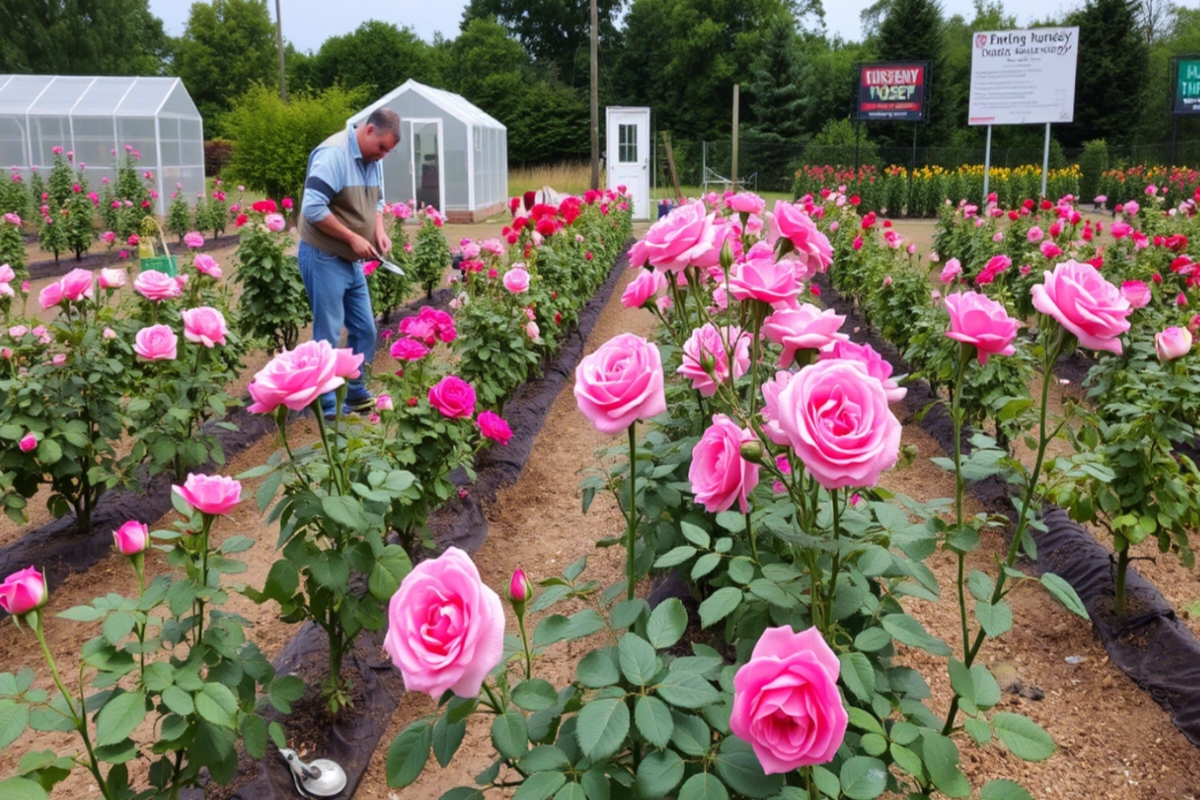
Rose flower farming is a lucrative and rewarding venture that combines horticultural expertise with entrepreneurial skills. With global demand for roses consistently high—driven by their use in floral arrangements, perfumes, cosmetics, and wellness products—there’s ample opportunity to build a thriving business. However, success in rose farming requires careful planning, technical knowledge, and strategic business management. In this comprehensive guide, we’ll explore actionable steps to manage a rose farm effectively and scale your business sustainably.
Part 1: Foundations of Successful Rose Farming
1. Understanding Rose Varieties and Market Demand
Not all roses are created equal. The first step in rose farming is selecting the right varieties based on your target market:
- Cut Roses: Hybrid Tea, Floribunda, and Grandiflora roses are popular for their long stems and vibrant blooms, ideal for florists.
- Garden Roses: Heirloom or shrub roses are sought after by nurseries and landscaping businesses.
- Specialty Roses: Fragrant roses (e.g., Damask or Bourbon) are prized by perfume manufacturers, while miniature roses appeal to urban gardeners.
Action Step: Research local and international markets to identify high-demand varieties. Connect with florists, wholesalers, and exporters to align your production with buyer preferences.
2. Site Selection and Soil Preparation
Roses thrive in specific conditions:
- Climate: Most roses prefer moderate temperatures (15–25°C), though some varieties tolerate colder or hotter climates. Ensure 6–8 hours of daily sunlight.
- Soil: Well-draining loamy soil with a pH of 6.0–6.5 is ideal. Conduct soil tests to check nutrient levels and amend with organic compost or lime as needed.
- Water Access: Install drip irrigation systems to provide consistent moisture without waterlogging roots.
Pro Tip: Avoid low-lying areas prone to frost or stagnant water, which can damage roots and invite diseases.
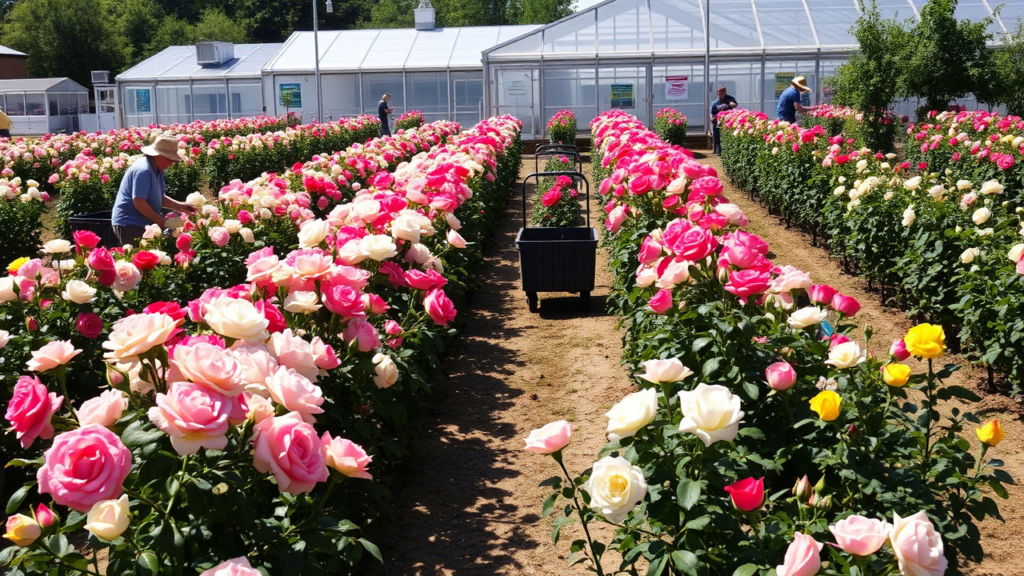
3. Propagation and Planting
Roses can be propagated through cuttings, grafting, or seeds. For commercial farming:
- Cuttings: Cost-effective and genetically identical to parent plants.
- Grafted Plants: Combine hardy rootstocks with high-yielding scions for disease resistance and productivity.
Planting Guidelines:
- Space plants 18–24 inches apart to ensure airflow and reduce disease risk.
- Plant in raised beds or containers if drainage is a concern.
- Mulch around plants to retain moisture and suppress weeds.
4. Pest and Disease Management
Roses are vulnerable to pests (aphids, spider mites) and diseases (powdery mildew, black spot). Adopt an Integrated Pest Management (IPM) approach:
- Preventive Measures: Use disease-resistant varieties, rotate crops, and sanitize tools.
- Organic Solutions: Neem oil, garlic spray, or introducing beneficial insects like ladybugs.
- Chemical Controls: Use pesticides sparingly and follow safety guidelines to avoid harming pollinators.
Key Insight: Regular monitoring and early intervention minimize crop losses.
5. Pruning and Harvesting
- Pruning: Trim dead or diseased branches in late winter/early spring to encourage new growth. Shape bushes to improve light penetration and airflow.
- Harvesting: Cut roses early in the morning when buds are half-open. Use sharp shears and place stems in water immediately to prolong vase life.
Storage Tip: Store harvested roses at 2–4°C with 90% humidity to maintain freshness for up to 2 weeks.
Part 2: Building a Profitable Rose Farming Business
1. Conduct Market Research
Understand your competition, pricing trends, and customer preferences:
- Local Markets: Sell directly to florists, event planners, or farmers’ markets.
- Export Opportunities: Partner with international floral distributors in Europe, the Middle East, or Asia, where demand for premium roses is high.
- Niche Markets: Target eco-conscious buyers with organic or fair-trade certified roses.
Tool: Use platforms like Google Trends, USDA reports, or industry associations (e.g., Society of American Florists) to gather data.
2. Create a Business Plan
A detailed business plan is your roadmap to success. Include:
- Executive Summary: Mission statement and business goals.
- Financial Projections: Startup costs (land, seedlings, equipment), operating expenses, and revenue targets.
- Marketing Strategy: Branding, pricing, and sales channels.
- Risk Analysis: Mitigation plans for climate risks, pest outbreaks, or market fluctuations.
Funding Tip: Apply for agricultural grants or loans from institutions like the USDA or local agri-development banks.
3. Branding and Packaging
Differentiate your roses with a strong brand identity:
- Labeling: Use eco-friendly packaging with your logo and care instructions.
- Certifications: Pursue organic, Rainforest Alliance, or Florverde certifications to attract premium buyers.
- Storytelling: Share your farm’s story (e.g., family-owned, sustainable practices) to connect emotionally with customers.
Case Study: Ecuador’s rose farms dominate the global market by emphasizing their high-altitude-grown, long-lasting blooms in branded sleeves.
4. Leverage Digital Marketing
Expand your reach with online strategies:
- Website and SEO: Create a professional site with keywords like “premium roses for weddings” or “bulk rose suppliers.”
- Social Media: Showcase your farm on Instagram/Pinterest with stunning visuals of blooming roses. Collaborate with influencers in the wedding or lifestyle niches.
- E-commerce: Sell directly through platforms like Etsy or your own online store. Offer subscriptions for monthly rose deliveries.
Pro Tip: Use email marketing to nurture relationships with B2B clients (florists, hotels) and B2C customers.
5. Optimize Distribution Channels
Efficient logistics are critical for perishable flowers:
- Local Deliveries: Partner with courier services for same-day delivery.
- Export Logistics: Work with cold-chain transporters and customs brokers to ensure timely international shipments.
- Wholesale Partnerships: Negotiate contracts with supermarket chains or floral wholesalers for bulk sales.
Tool: Track shipments in real-time using IoT sensors to monitor temperature and humidity during transit.
6. Diversify Revenue Streams
Maximize income by expanding your product line:
- Value-Added Products: Sell rose petals (for teas, baths), essential oils, or rosewater.
- Agritourism: Host farm tours, workshops (e.g., bouquet-making), or “pick-your-own” rose events.
- Landscaping Services: Offer rose garden design and maintenance for residential or commercial clients.
Example: A Kenyan rose farm increased profits by 40% by selling dried rose petals to herbal tea companies.
7. Financial Management
Monitor cash flow and reduce costs:
- Budgeting: Track expenses for labor, inputs, and marketing.
- Cost-Saving Tactics: Use solar-powered irrigation, compost homemade from farm waste, or bulk-purchase seedlings.
- Insurance: Protect against crop failure due to extreme weather or disease.
Software: Use QuickBooks or FarmLogs to automate accounting and inventory management.
8. Invest in Sustainability
Eco-friendly practices reduce costs and appeal to conscious consumers:
- Water Conservation: Install rainwater harvesting systems or recycled water for irrigation.
- Renewable Energy: Power greenhouses with solar panels.
- Circular Economy: Convert rose waste into mulch or biogas.
Certification: Pursue Carbon Neutral certification to enhance your brand’s appeal.
9. Build Industry Networks
Join associations like the International Flower Trade Association (IFTA) or local cooperatives to:
- Access training programs on new farming techniques.
- Collaborate on bulk purchasing or marketing campaigns.
- Stay updated on regulatory changes (e.g., pesticide bans, import/export laws).
10. Monitor and Scale Your Business
Analyze key performance indicators (KPIs) to identify growth opportunities:
- Yield per Acre: Optimize planting density and fertilization.
- Customer Retention Rate: Improve loyalty with discounts or personalized service.
- Profit Margins: Adjust pricing or reduce waste.
Scaling Strategies:
- Expand to adjacent markets (e.g., rose-based skincare products).
- License your growing techniques to other farmers.
- Acquire smaller farms or form mergers to increase production capacity.
Part 3: Overcoming Common Challenges
1. Climate Change Risks
Unpredictable weather can disrupt flowering cycles. Mitigate risks by:
- Growing roses in greenhouses with climate control systems.
- Diversifying into drought-resistant varieties.
2. Labor Shortages
Rose farming is labor-intensive, especially during pruning and harvesting. Solutions include:
- Hiring seasonal workers through partnerships with local communities.
- Automating tasks like irrigation or sorting with AI-powered tools.
3. Market Competition
Stand out by:
- Focusing on unique varieties (e.g., rare-colored roses).
- Offering superior customer service (e.g., flexible delivery schedules).
Conclusion
Rose flower farming is a blend of art, science, and business savvy. By mastering cultivation techniques, adopting innovative marketing strategies, and prioritizing sustainability, you can cultivate not only beautiful roses but also a flourishing enterprise. Stay adaptable, keep learning, and nurture relationships across the supply chain to ensure long-term success in this vibrant industry. Whether you’re a small-scale grower or an aspiring exporter, the world of roses offers endless possibilities to bloom and grow.
Managing and Growing a Rose Flower Farming Business: A Comprehensive Guide
1. Understanding Rose Farming Basics
- Variety Selection: Opt for high-demand varieties like Hybrid Tea (popular for cut flowers), Floribunda (cluster blooms), and Grandiflora. Consider market trends and local climate suitability.
- Climate & Soil: Ideal temperature 15-24°C; well-drained loamy soil with pH 6.0–6.5. Use greenhouses in suboptimal climates.
- Site Preparation: Test soil, amend with organic matter, ensure good drainage and sunlight (6–8 hours daily).
2. Cultivation Practices
- Planting: Space plants 18–24 inches apart. Use drip irrigation for efficiency.
- Pruning: Regularly prune to encourage growth; remove dead/diseased branches.
- Pest/Disease Management: Implement IPM (Integrated Pest Management). Use neem oil or fungicides for black spot/powdery mildew.
3. Harvesting & Post-Harvest Care
- Harvest Timing: Cut stems when buds start to open, preferably early morning.
- Storage: Immediate hydration in water; cold storage at 1–2°C with 90–95% humidity.
- Packaging: Use sleeves and boxes to prevent damage during transport.
4. Marketing Strategies
- Target Markets: Florists, event planners, supermarkets, online platforms (e-commerce, social media).
- Branding: Develop a strong online presence via a website/Instagram showcasing products.
- Diversification: Sell value-added products (rose oils, dried petals) or offer agritourism experiences.
5. Business Management Tips
- Business Plan: Include financial projections, budgeting for labor, materials, and tech.
- Legal Compliance: Register the business, obtain certifications (e.g., organic), and secure permits.
- Sustainability: Adopt eco-friendly practices (composting, rainwater harvesting) for market differentiation.
6. Scaling the Business
- Expansion: Increase land/greenhouse space; automate irrigation/pruning with technology.
- Niche Markets: Explore organic certification or rare rose varieties.
- Partnerships: Collaborate with local florists or hotels for steady demand.
7. Frequently Asked Questions (FAQs)
- Q: Best rose varieties for cut flowers?
A: Hybrid Tea (long stems, high yield). - Q: Time to first harvest?
A: 6–8 months after planting. - Q: Yield per acre?
A: ~10,000 stems annually, depending on management. - Q: Managing pests organically?
A: Use neem oil, ladybugs, and companion planting. - Q: Profitability factors?
A: Market demand, cost control, and post-harvest efficiency.
8. Overcoming Challenges
- Weather Fluctuations: Use greenhouses and frost protection.
- Disease Resistance: Choose resistant varieties like Knock Out roses.
- Logistics: Partner with reliable transporters; use preservatives in water.
9. Innovation & Trends
- Tech Integration: Use IoT for soil monitoring and climate control.
- Agritourism: Host workshops or u-pick events to diversify income.
By systematically addressing each aspect—from cultivation to customer engagement—you can build a resilient and profitable rose farming business. Stay adaptable to market trends and invest in sustainable practices for long-term growth. 🌹
