
Integrating Cultural Farming Practices into Modern Agriculture: A Step-by-Step Guide
Rooted in Wisdom: Blending Cultural Farming Practices with Modern Agriculture
By weaving ancestral knowledge into innovative systems, we cultivate resilience, beauty, and abundance.
Introduction: The Timeless Dialogue Between Past and Future
For millennia, farming was not merely a means of survival but a sacred dialogue between humans and nature. Indigenous and traditional communities worldwide developed agricultural practices steeped in cultural wisdom, ecological intuition, and reverence for the land. Today, as modern agriculture grapples with climate crises, soil degradation, and biodiversity loss, these age-old techniques offer profound solutions. By harmonizing cultural farming practices with contemporary innovation, we can create a future where productivity coexists with planetary health—and where fields flourish not just with crops, but with stories, heritage, and beauty.
Rediscovering Cultural Wisdom: Lessons from the Ancestors
- Three Sisters Planting (North America)
The Haudenosaunee (Iroquois) perfected the “Three Sisters” method: corn, beans, and squash grown together in symbiotic harmony. Corn provides structure for beans to climb, beans fix nitrogen in the soil, and squash leaves shade the ground, suppressing weeds. Modern agroecology now validates this polyculture system for its soil health benefits, pest resistance, and 20% higher yields than monocultures. - Rice-Fish Systems (Asia)
In China and Southeast Asia, farmers raise fish in flooded rice paddies. Fish fertilize the water, control pests, and provide protein—a practice dating back 2,000 years. Studies show these systems reduce methane emissions by 30% while boosting farmers’ incomes. - Terracing (Global)
From the Andes to Bali, terraced farming prevents erosion, captures rainwater, and creates microclimates. The Ifugao rice terraces of the Philippines, a 2,000-year-old UNESCO site, demonstrate how terracing transforms steep slopes into lush, productive landscapes. - Agroforestry (Africa)
West African permaculture, like Ghana’s chitemene system, integrates crops with nitrogen-fixing trees such as acacia. This mimics natural forests, rebuilds soil, and provides shade—a practice now inspiring “climate-smart” agriculture.
Modern Innovations Meet Ancient Practices
Technology as a Bridge, Not a Replacement
- Precision Agriculture + Indigenous Intercropping: Drones and sensors can optimize traditional polycultures by monitoring soil moisture and nutrient levels, ensuring each plant thrives in its niche.
- Biochar Revival: Amazonian terra preta (dark earth), created by ancient biochar techniques, is now replicated to sequester carbon and revitalize degraded soils.
- Water Harvesting 2.0: Combining ancient qanats (Persian underground canals) with solar-powered irrigation systems maximizes water efficiency in arid regions.
Cultural Aesthetics in Design
- Edible Landscapes: The Zuni people’s waffle gardens (gridded clay basins) inspire drought-resilient, visually striking urban farms.
- Floral Diversity: Kenyan shambas (smallholder farms) interplant maize with vibrant marigolds to repel pests naturally—a practice now adopted by organic vineyards in France.
The Science Behind the Stories
Research confirms the value of cultural practices:
- A 2022 NIH study found Three Sisters diets to be nutritionally superior to monoculture-based meals.
- The FAO reports that agroforestry systems sequester up to 10x more carbon than conventional farms.
- Terraced fields in Nepal reduced landslide risks by 40% while doubling rice yields.
Challenges and the Path Forward
Scaling cultural practices requires nuance:
- Knowledge Equity: Partner with Indigenous communities as co-designers, not just subjects.
- Policy Shifts: Governments must subsidize agroecological transitions, as seen in Bhutan’s 100% organic farming mandate.
- Consumer Awareness: Celebrate “cultural crops” like quinoa and fonio, once marginalized, now global superfoods.
Modern agriculture faces unprecedented challenges, including climate change, soil degradation, water scarcity, and biodiversity loss. While technology-driven solutions like precision farming and genetically modified crops dominate the discourse, cultural farming practices—rooted in indigenous knowledge and traditions—offer sustainable, time-tested alternatives. These practices emphasize harmony with nature, resource efficiency, and community resilience. This article explores how to integrate cultural farming practices into modern agricultural systems, providing actionable steps, case studies, and tables for clarity.
1. Understanding Cultural Farming Practices
Cultural farming practices are traditional methods developed over centuries by farming communities worldwide. They include techniques such as crop rotation, intercropping, agroforestry, terracing, and seed saving. These practices prioritize ecological balance, local adaptation, and minimal external inputs.
Why Integrate Them into Modern Agriculture?
- Sustainability: Reduce reliance on synthetic fertilizers and pesticides.
- Biodiversity Preservation: Promote diverse crops and wildlife.
- Climate Resilience: Enhance soil health and water retention.
- Cost-Effectiveness: Lower input costs for smallholder farmers.
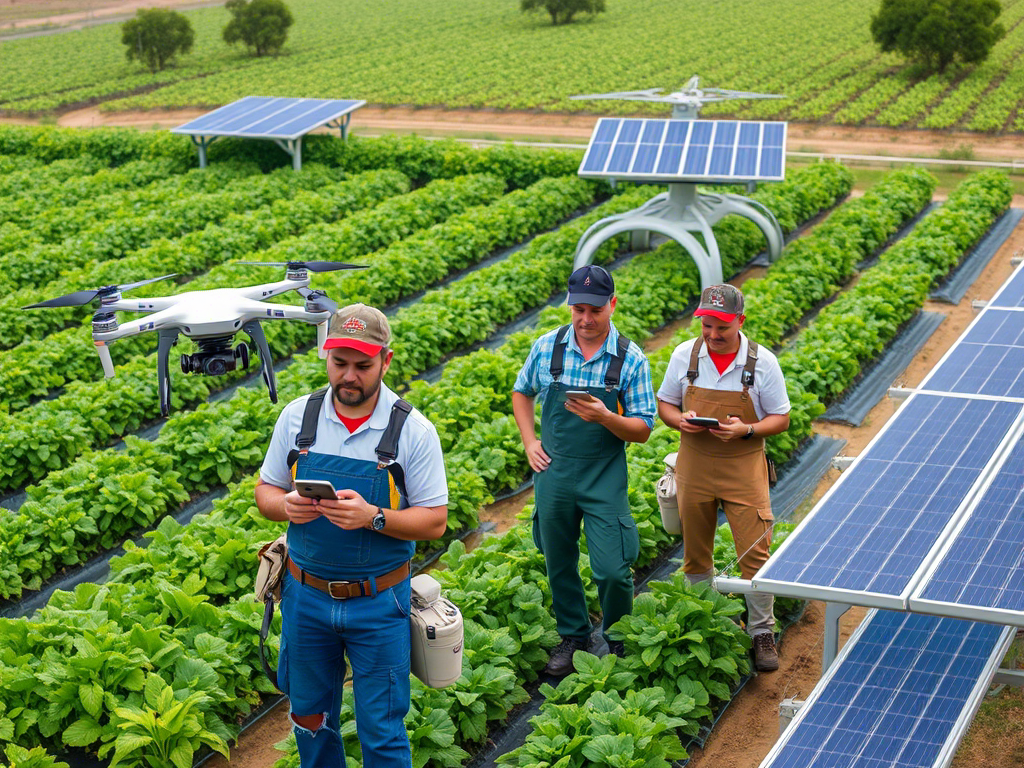
2. Step-by-Step Integration of Cultural Practices
Practice 1: Crop Rotation
Background: Crop rotation involves alternating crop species in a field to replenish soil nutrients and break pest cycles.
Steps to Implement:
| Step | Action | Benefits | Challenges |
|---|---|---|---|
| 1 | Assess current cropping patterns and soil health. | Identify nutrient deficiencies and pest hotspots. | Requires soil testing and data collection. |
| 2 | Plan a rotation schedule (e.g., legumes → grains → vegetables). | Fixes nitrogen, reduces pests, and improves yields. | Farmers may resist changing monoculture systems. |
| 3 | Integrate with modern tools (e.g., GPS mapping for precision). | Optimizes land use and tracks rotations digitally. | Initial cost of technology adoption. |
| 4 | Monitor soil health and yields annually. | Data-driven adjustments improve long-term outcomes. | Requires ongoing commitment. |
| 5 | Educate farmers via workshops or apps. | Encourages community buy-in and knowledge sharing. | Language/access barriers in rural areas. |
Case Study: In Iowa, USA, farmers combining corn-soybean rotations with cover crops reduced nitrogen runoff by 30% while maintaining profits.
Practice 2: Intercropping
Background: Growing two or more crops simultaneously to maximize space and resources.
Steps to Implement:
| Step | Action | Benefits | Challenges |
|---|---|---|---|
| 1 | Select complementary crops (e.g., maize + beans). | Enhances soil fertility and pest control. | Competition for light/water if poorly planned. |
| 2 | Use spatial mapping tools to design layouts. | Optimizes spacing and sunlight exposure. | Requires technical training. |
| 3 | Trial small plots before scaling up. | Minimizes risk of crop failure. | Time-intensive experimentation. |
| 4 | Integrate drip irrigation for efficient water use. | Reduces water waste in dense planting systems. | Infrastructure costs. |
| 5 | Market diverse yields as “eco-friendly” produce. | Commands premium prices in niche markets. | Requires branding and market access. |
Case Study: In Kenya, intercropping maize with drought-tolerant pigeon peas increased yields by 25% during dry seasons.
Practice 3: Agroforestry
Background: Integrating trees with crops/livestock to create symbiotic ecosystems.
Steps to Implement:
| Step | Action | Benefits | Challenges |
|---|---|---|---|
| 1 | Choose native tree species (e.g., acacia for nitrogen fixation). | Improves soil structure and provides shade/fodder. | Slow initial returns from tree growth. |
| 2 | Use satellite imagery to plan tree-crop spacing. | Prevents overcrowding and ensures sunlight penetration. | High-tech tools may be inaccessible. |
| 3 | Train farmers in pruning and tree management. | Maintains healthy growth and crop compatibility. | Labor-intensive maintenance. |
| 4 | Leverage carbon credit programs for income. | Generates revenue from carbon sequestration. | Complex certification processes. |
| 5 | Partner with NGOs for sapling distribution. | Reduces upfront costs for smallholders. | Limited NGO presence in remote areas. |
Case Study: Costa Rica’s agroforestry systems boosted biodiversity by 40% while producing coffee and timber.
Practice 4: Traditional Water Management
Background: Ancient techniques like terracing, qanats, and rainwater harvesting.
Steps to Implement:
| Step | Action | Benefits | Challenges |
|---|---|---|---|
| 1 | Survey land topography using drones. | Identifies ideal sites for terracing/ponds. | High cost of drone technology. |
| 2 | Revive traditional rainwater harvesting (e.g., johads in India). | Recharges groundwater and prevents erosion. | Requires community labor. |
| 3 | Combine with modern drip irrigation. | Enhances water efficiency in dry regions. | Compatibility issues with old/new systems. |
| 4 | Advocate for government subsidies. | Reduces financial burden on farmers. | Bureaucratic delays. |
| 5 | Monitor water tables with IoT sensors. | Provides real-time data for adjustments. | Technical skills required. |
Case Study: In Rajasthan, India, restored johads (traditional tanks) reversed desertification and doubled crop yields.
3. Overcoming Challenges
A. Knowledge Gaps
- Solution: Create digital platforms (e.g., WhatsApp groups) for farmers to share tips.
B. Resistance to Change - Solution: Pilot projects with measurable success stories to build trust.
C. Policy Barriers - Solution: Lobby governments to recognize traditional practices in agricultural subsidies.
4. The Future of Hybrid Agriculture
Emerging technologies like AI and blockchain can amplify the impact of cultural practices:
- AI-Powered Predictive Analytics: Forecast optimal planting dates for intercropping.
- Blockchain for Seed Saving: Track heirloom seeds’ provenance and resilience.
Conclusion
Cultural farming practices are not relics of the past but vital tools for a sustainable future. By blending them with modern innovations, farmers can achieve productivity without compromising ecological integrity. The step-by-step frameworks and case studies provided here offer a roadmap for stakeholders to bridge tradition and technology.
How to Use Cultural Farming Practices in Modern Agriculture – FAQs
Cultural farming practices are traditional agricultural methods passed down through generations. Integrating them into modern farming can improve sustainability, soil health, and crop resilience. Below are some frequently asked questions (FAQs) on how to use these practices today.
1. What Are Cultural Farming Practices?
Cultural farming practices are traditional techniques used to cultivate crops and manage land sustainably. Examples include:
- Crop rotation – Alternating crops to maintain soil fertility.
- Intercropping – Growing multiple crops together to maximize space and nutrients.
- Agroforestry – Combining trees with crops or livestock.
- Terracing – Creating stepped fields to prevent soil erosion.
- Organic mulching – Using plant residues to retain moisture and improve soil.
2. Why Should Modern Farmers Use Cultural Practices?
- Improves soil health – Reduces erosion and enhances fertility.
- Reduces chemical dependency – Lowers the need for synthetic fertilizers and pesticides.
- Enhances biodiversity – Supports beneficial insects and microorganisms.
- Climate resilience – Helps farms adapt to droughts and floods.
- Cost-effective – Uses locally available resources.
3. How Can Crop Rotation Be Applied in Modern Farming?
- Plan crop sequences (e.g., legumes → grains → vegetables) to replenish nitrogen and break pest cycles.
- Use cover crops (e.g., clover, rye) to prevent soil degradation.
- Combine with no-till farming to enhance soil structure.
4. Can Intercropping Increase Yields?
Yes! Examples:
- Corn + beans + squash (Three Sisters method) – Corn provides support, beans fix nitrogen, squash suppresses weeds.
- Wheat + chickpeas – Maximizes land use and improves soil.
5. How Does Agroforestry Benefit Modern Farms?
- Silvopasture (trees + livestock) provides shade and fodder.
- Alley cropping (rows of trees + crops) prevents wind erosion.
- Fruit trees + crops diversifies income sources.
6. Are Traditional Water Management Techniques Still Useful?
Yes! Methods like:
- Rainwater harvesting (e.g., ponds, check dams).
- Drip irrigation (adapted from ancient olla irrigation).
- Contour farming (planting along slopes to reduce runoff).
7. How Can Farmers Integrate Organic Mulching?
- Use crop residues, straw, or compost to:
- Retain soil moisture.
- Suppress weeds.
- Improve microbial activity.
8. What Are the Challenges of Adopting Cultural Practices?
- Labor-intensive – Some methods require more manual work.
- Knowledge gaps – Younger farmers may lack traditional know-how.
- Slow transition – Results may take time compared to chemical farming.
9. Can Technology Enhance Traditional Farming?
Yes! Examples:
- Precision agriculture + crop rotation for optimized planting.
- Drones + intercropping to monitor plant health.
- Mobile apps for indigenous knowledge sharing.
10. Where Can Farmers Learn More?
- Local agricultural extension services.
- Indigenous farming communities.
- Sustainable agriculture NGOs (e.g., FAO, Rodale Institute).
Final Thoughts
Combining cultural farming practices with modern techniques can lead to sustainable, productive, and eco-friendly agriculture. By valuing traditional wisdom, farmers can build resilient food systems for the future.
