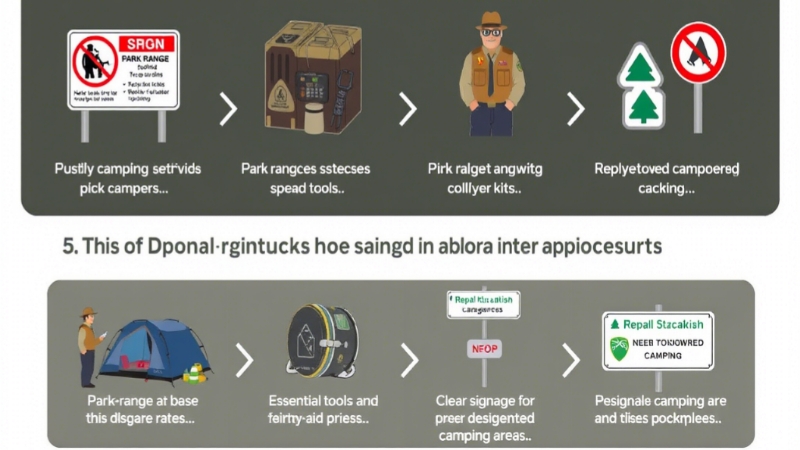
Step-by-Step Guide to Managing Unauthorized Camping Emergencies in Jamestown
1. Immediate Safety Assessment
- Prioritize Safety: Check for immediate dangers (e.g., wildfires, flooding, hazardous materials). Evacuate if necessary.
- Secure the Area: Use barriers or signage to prevent further access if the site poses risks.
2. Situation Assessment
- Gather Information: Determine the number of campers, duration of stay, and demographics (e.g., families, vulnerable individuals).
- Environmental Impact: Assess ecological damage (e.g., waste, deforestation) and public health risks (sanitation, drug use).
3. Engage Compassionately
- Contact Campers: Approach calmly, using trained personnel (e.g., social workers) to avoid escalation.
- Listen to Needs: Understand reasons for camping (e.g., homelessness, lack of awareness) and document concerns.
4. Legal Compliance
- Review Local Laws: Confirm ordinances on unauthorized camping and required procedures (e.g., eviction notices, court orders).
- Issue Formal Notices: Provide clear deadlines for vacating, ensuring compliance with legal standards and human rights.
5. Offer Alternatives
- Relocation Assistance: Connect campers with shelters, authorized campsites, or temporary housing. Collaborate with local nonprofits (e.g., shelters, food banks).
- Social Services: Provide access to mental health, addiction, or employment support if needed.

6. Enforcement (Last Resort)
- Coordinate with Law Enforcement: If campers refuse to leave, conduct a supervised eviction. Ensure minimal force and respect for belongings.
- Document Process: Record actions taken for accountability and legal protection.
7. Site Cleanup and Restoration
- Environmental Remediation: Remove waste, restore vegetation, and address hazards. Involve local environmental agencies if needed.
- Community Involvement: Organize volunteer cleanups to foster community engagement.
8. Monitor and Prevent Recurrence
- Increase Patrols: Deploy rangers or police to monitor high-risk areas.
- Install Signage: Clearly mark restricted zones and penalties for unauthorized camping.
- Community Alerts: Encourage residents to report issues early via hotlines or apps.
9. Policy Review and Long-Term Solutions
- Evaluate Policies: Identify gaps in housing, shelters, or camping facilities. Advocate for affordable housing initiatives.
- Stakeholder Collaboration: Engage local government, NGOs, and community leaders to address root causes (e.g., homelessness).
10. Post-Incident Reporting
- Debrief: Analyze the response’s effectiveness with all involved agencies.
- Public Communication: Share outcomes with the community to maintain transparency and trust.
Key Contacts for Jamestown
- Local Authorities: Police non-emergency line, Parks Department, Public Health Office.
- Social Services: Homeless shelters (e.g., [Local Shelter Name]), United Way, mental health organizations.
- Environmental Agencies: [Local Conservation Group], waste management services.
Step-by-Step Guide to Manage Unauthorised Camping Emergency in Jamestown
- Immediate Response
- Ensure safety of campers, responders, and the public.
- Contact local authorities (police, park rangers, emergency services).
- Secure the area if hazards (fire risks, waste) are present.
- Assess the Situation
- Determine the scale (number of campers, duration of stay).
- Identify vulnerable individuals (children, elderly, medical needs).
- Evaluate environmental damage (waste, habitat disruption).
- Legal Compliance
- Verify local laws (trespassing, public land use).
- Issue formal notices (eviction or compliance deadlines).
- Involve law enforcement if illegal activity occurs.
- Engage and Communicate
- Approach campers calmly; explain legal implications.
- Collaborate with social services to offer shelters, healthcare, or housing aid.
- Relocation Assistance
- Provide transportation or storage support for belongings.
- Partner with NGOs to ensure humane relocation.
- Site Cleanup and Restoration
- Remove waste, hazardous materials (hire specialists if needed).
- Restore vegetation and natural features.
- Prevent Future Incidents
- Increase patrols and install signage/barriers.
- Launch community awareness campaigns.
- Address root causes (affordable housing, homelessness support).
- Review and Report
- Document actions taken and outcomes.
- Debrief with stakeholders to improve protocols.
- Update emergency plans with lessons learned.
FAQs
Q1: Why is unauthorised camping an emergency?
A1: Risks include environmental harm, public safety threats, and legal liabilities.
Q2: What legal rights do campers have?
A2: They retain human rights but must comply with local laws; evictions require due process.
Q3: How are vulnerable individuals handled?
A3: Social services engage first to provide shelter, medical care, or housing solutions.
Q4: What penalties apply to unauthorised campers?
A4: Fines, community service, or charges (varies by jurisdiction and severity).
Q5: How can the community help?
A5: Report early signs, join prevention initiatives, and advocate for systemic solutions.
Conclusions
- Balance safety, legality, and compassion to resolve emergencies effectively.
- Collaborate with social services, NGOs, and law enforcement for humane outcomes.
- Prioritize prevention through community engagement and infrastructure measures.
- Continuous evaluation ensures adaptive strategies for future incidents.
- Transparency and education foster public trust and proactive problem-solving.
