Here’s a detailed step-by-step guide to managing greenhouse plastics, combining best practices from multiple sources:
Step 1: Prepare the Greenhouse Frame
- Clean the frame: Remove dirt, debris, and sharp edges to prevent tearing the plastic. Sand or use foam tape on rough surfaces, especially if the frame is PVC (to avoid gas-induced degradation) .
- Measure the structure: Use a tape measure to determine the length, width, and height of the greenhouse. Add 1–2 feet of overlap on all sides for adjustments and securing .
- Install lock channels: Attach these to the baseboards, doors, and end walls using screws. These will hold the wiggle wire (spring wire) to secure the plastic .
Step 2: Choose the Right Plastic
- Select UV-stabilized polyethylene: Opt for 6-mil or thicker plastic for durability. Thicker plastics (8–11 mil) are better for snowy or windy climates .
- Consider features: Anti-drip coatings reduce condensation, while infrared-blocking plastics help regulate temperature. Double-layer plastic improves insulation and snow resistance .
Step 3: Install the Plastic
- Unroll the plastic: Do this on a calm, warm day to ease stretching. Position the plastic so the labeled side faces inward .
- Pull the plastic over the frame: Use ropes tied to corners or tennis balls to guide the plastic over the structure. Work with a team to distribute the material evenly .
- Secure temporarily: Use spring wire or clips to hold the plastic in place while adjusting tension .
Step 4: Secure with Wiggle Wire
- Start at the peak: Attach wiggle wire to the lock channel at the greenhouse’s apex. Work downward, pulling the plastic taut as you go .
- Overlap edges: Ensure 12–24 inches of overlap at seams, and seal with greenhouse repair tape or silicone to prevent leaks .
- Trim excess: Leave 2–3 inches of plastic beyond the base for future adjustments .
Step 5: Stretch and Tension the Plastic
- Work from the center outward: Use a broom or forearm to smooth wrinkles. Avoid overstretching, as cold weather can cause contraction and tears .
- Check tension: On warm days, re-tighten sagging areas by adjusting the wiggle wire .
Step 6: Seal and Ventilate
- Seal gaps: Use duct tape or silicone on seams and around doors/vent openings .
- Install roll-up sides: Attach plastic to a roll bar using snap clamps for adjustable ventilation. Secure with anti-billow ropes to prevent wind damage .
Step 7: Maintain the Plastic
- Clean regularly: Use mild soap and water to remove dirt, which can block light and degrade the plastic .
- Repair tears: Patch holes immediately with greenhouse repair tape .
- Seasonal checks: Inspect tension and UV damage before winter and summer .
Step 8: End-of-Life Management
- Recycle: Many agricultural suppliers accept used greenhouse plastic. Look for local recycling programs .
- Dispose responsibly: Avoid landfills. If recycling isn’t possible, use certified waste facilities .
Step 9: Upgrade for Efficiency
- Double-layer insulation: Inflate air between two plastic layers for better heat retention .
- Add shade cloth: In hot climates, this reduces overheating without blocking light .
Step 10: Responsible Disposal
- Support initiatives for biodegradable plastics or community recycling drives .
Pure Zambian Green African House Snake: Care, Habitat, and Behavior
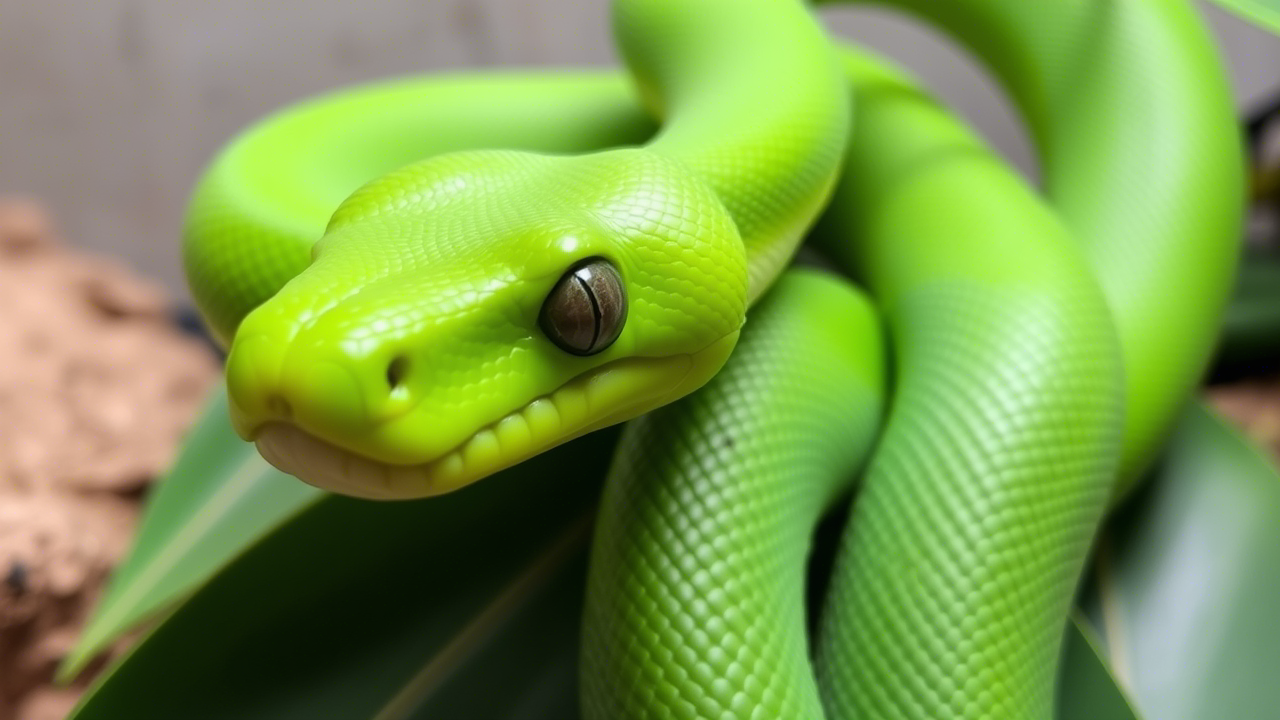
The Zambian green African house snake (Boaedon fuliginosus) is a captivating, non-venomous colubrid species native to Zambia and surrounding regions. Known for its striking emerald-green hue and docile temperament, this snake has gained popularity among reptile enthusiasts. In this comprehensive guide, we explore its natural habitat, care requirements, behavior, and conservation status, complete with a detailed table for quick reference.
Quick Facts Table
| Attribute | Details |
|---|---|
| Scientific Name | Boaedon fuliginosus (Zambian green variant) |
| Size | 2–3 feet (60–90 cm) |
| Lifespan | 10–15 years in captivity |
| Diet | Rodents, small birds, lizards, and amphibians |
| Habitat | Savannas, woodlands, and scrublands of Zambia |
| Temperament | Docile, shy, and non-aggressive |
| Conservation Status | Not evaluated (IUCN), but habitat loss poses localized threats |
Physical Characteristics
The pure Zambian green African house snake stands out for its vivid green scales, which range from olive to bright emerald. Juveniles often display brown or gray tones, gradually developing their iconic green coloration as they mature. This species has a slender body, smooth scales, and a slightly flattened head, adapted for navigating tight spaces in the wild.
Natural Habitat
Endemic to Zambia, these snakes thrive in warm, semi-arid environments. They inhabit savannas, grasslands, and forest edges, often hiding under rocks, logs, or leaf litter. Their green coloration provides camouflage among vegetation, protecting them from predators like birds of prey and monitor lizards.
Key Habitat Features:
- Temperature: 75–90°F (24–32°C) with cooler nighttime drops.
- Humidity: 40–60%, reflecting Zambia’s seasonal climate.
- Shelter: Abundant hiding spots to avoid predators and extreme weather.
Captive Care Guide
Zambian green African house snakes are low-maintenance pets, ideal for both beginners and experienced keepers. Below are their care requirements:
Enclosure Setup
- Tank Size: 20–30 gallons for adults.
- Substrate: Aspen shavings, coconut fiber, or cypress mulch.
- Lighting: No UVB required, but a 12-hour day/night cycle is beneficial.
- Heating: Under-tank heater or heat mat (85°F basking spot).
- Hides: Provide at least two hides (warm and cool sides).
Feeding
- Diet: Frozen-thawed mice or small rats (juveniles eat pinky mice).
- Frequency: Every 5–7 days for juveniles; every 10–14 days for adults.
- Supplements: Calcium powder dusted on prey monthly.
Health & Handling
- Shedding: Ensure 60–70% humidity during shedding cycles.
- Common Issues: Mites, respiratory infections (due to poor humidity).
- Handling: Tolerates gentle handling but avoid excessive stress.
Behavior and Temperament
These snakes are nocturnal, hunting small prey at night. In captivity, they exhibit curious but calm behavior, rarely biting unless provoked. When threatened, they may musk or vibrate their tails (mimicking rattlesnakes). Socially solitary, they should be housed individually to prevent aggression.
Breeding
Breeding season aligns with Zambia’s rainy period (November–April). Females lay 5–15 eggs per clutch, which hatch after 60–70 days of incubation at 82–84°F. Hatchlings measure 8–10 inches and require smaller enclosures.
Conservation Status
While not globally threatened, habitat destruction from agriculture and urbanization threatens local populations. Ethical captive breeding programs help reduce demand for wild-caught specimens.
Why Choose This Species?
- Aesthetic Appeal: Unique green coloration.
- Ease of Care: Minimal space and dietary needs.
- Educational Value: Ideal for teaching about African ecosystems.
Conclusion
The Zambian green African house snake is a rewarding pet for reptile lovers, combining beauty with manageable care. By replicating their natural habitat and respecting their behavioral needs, keepers can ensure these snakes thrive in captivity. Always source snakes from reputable breeders to support conservation efforts.
Zambian Green African House Snake FAQs
- What is a Zambian Green African House Snake?
A locality variant of the African House Snake (Boaedon fuliginosus), native to Zambia. Known for vibrant green hues, they are non-venomous, nocturnal colubrids popular in captivity due to their docile nature. - How do they look?
Slender with smooth scales, displaying green shades (varies from olive to bright emerald). Some have faint stripes or patterns. Juveniles may be duller, gaining color with age. - What size do they reach?
Adults typically 2-3 feet (60-90 cm), females slightly larger. Hatchlings are 8-10 inches. - Are they good for beginners?
Yes! Docile, hardy, and low-maintenance. Ideal for novice keepers. - Housing requirements?
- Enclosure: 20-gallon tank for adults. Secure lid (escape artists!).
- Substrate: Aspen, coconut fiber, or cypress mulch.
- Enrichment: Hides, climbing branches, faux plants. Humid hide for shedding.
- Temperature & humidity needs?
- Basking: 85-88°F (29-31°C).
- Cool side: 75-80°F (24-27°C).
- Humidity: 50-60%. Increase during shedding.
- What do they eat?
Rodents (pinky mice for juveniles, adult mice for adults). Feed juveniles every 5-7 days, adults every 10-14 days. Avoid overfeeding. - How to handle them?
Gentle and docile. Start with short sessions, gradually increasing. Support their body, avoid handling post-feeding or during shedding. - Common health issues?
Mites, respiratory infections (from incorrect humidity/temps), and stuck shed. Regular enclosure cleaning prevents many issues. - Lifespan in captivity?
10-15 years with proper care. - Breeding details?
Oviparous (egg-laying). Clutches of 5-12 eggs, incubating ~60 days at 82-84°F (28-29°C). - How to sex them?
Males have longer tails and hemipenal bulges. Probing or “popping” by experts/vets is reliable. - Legal considerations?
Check local laws. Generally not CITES-regulated, but some regions require permits. - Where to buy?
Reputable breeders, reptile expos, or online stores. Ensure ethical sourcing. - Nocturnal or diurnal?
Nocturnal—active at night, often hiding during daylight. - Are they venomous?
No. Harmless to humans. - Common misconceptions?
Often confused with Green Snakes (Opheodrys) or other House Snake species. Zambian Greens are distinct in color and care needs. - Shedding tips?
Provide a humid hide and slightly raise humidity during sheds. Ensure complete shed (eye caps, tail tip). - Enclosure security?
Use a tight-fitting lid—they’re adept escape artists. - Enrichment ideas?
Climbing branches, multiple hides, and substrate for burrowing. Mimic their natural savannah/forest habitat.
