Why is Matcha So Expensive?
The Beauty of Tea Trunk Matcha: A Journey into Radiant Wellness
In a world where wellness and beauty intertwine, few ingredients captivate the senses quite like matcha. This vibrant green powder, celebrated for centuries in Japanese tea ceremonies, has become a global symbol of health, vitality, and natural beauty. Among the brands leading this revolution, Tea Trunk Matcha stands out as a beacon of purity, quality, and holistic elegance. Let’s explore why this exquisite green treasure is more than just a tea—it’s a lifestyle.
What Makes Tea Trunk Matcha Special?
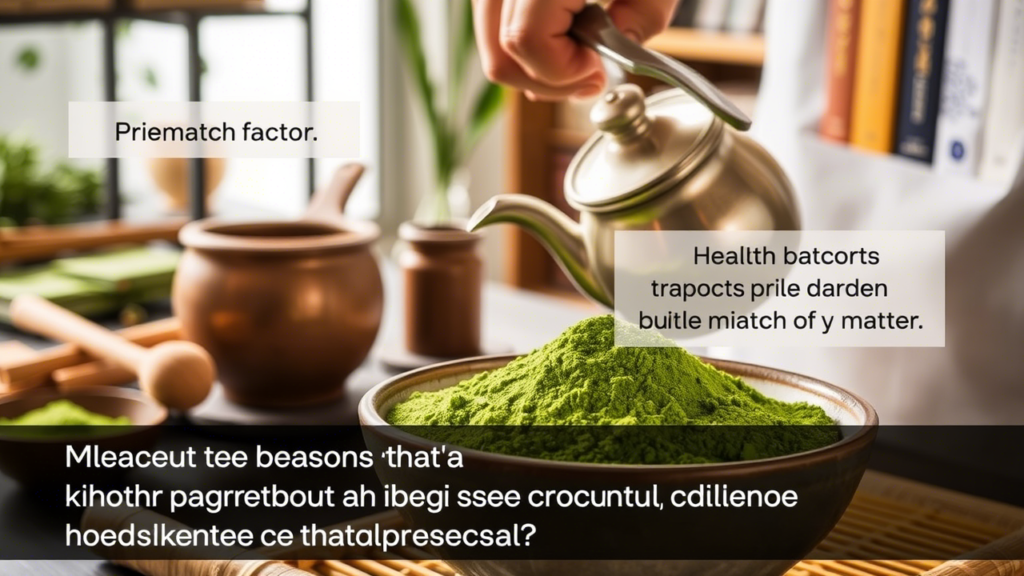
Tea Trunk, a brand synonymous with authenticity and sustainability, sources its matcha from the lush, shade-grown tea fields of Japan. Unlike ordinary green tea, matcha is made from stone-ground whole tea leaves, ensuring you consume 100% of the leaf’s nutrients. Tea Trunk’s commitment to organic farming practices means their matcha is free from pesticides and heavy metals, offering a clean, vibrant flavor and unparalleled health benefits.
The Beauty Benefits of Matcha
- Antioxidant Powerhouse:
Matcha is loaded with catechins, particularly EGCG, which combat free radicals and slow aging. Regular consumption can promote glowing skin by reducing inflammation and oxidative stress. - Detoxification & Radiance:
Chlorophyll, responsible for matcha’s vivid hue, naturally detoxifies the body, purifying the skin from within. Say goodbye to dullness and hello to a lit-from-within glow. - Calm Energy for Inner Balance:
Matcha contains L-theanine, an amino acid that induces relaxed focus. Reduced stress means fewer breakouts and a more serene complexion. - Beauty-Enhancing Rituals:
Beyond drinking it, mix Tea Trunk Matcha into face masks or scrubs. Its antibacterial properties soothe acne, while vitamins A and C boost collagen production.
How to Embrace the Tea Trunk Matcha Ritual
- Morning Matcha Latte: Whisk 1 tsp of Tea Trunk Matcha with hot water, then add frothy almond milk and a dash of honey.
- Afternoon Recharge: Blend matcha into smoothies or energy balls for sustained vitality.
- Evening Unwind: Sip ceremonial-grade matcha as a calming pre-bedtime ritual.
Sustainability with Style
Tea Trunk doesn’t just prioritize beauty—it champions the planet. Their eco-friendly packaging and carbon-neutral initiatives ensure that every sip supports a greener future
Explore Tea Trunk’s collection and transform your wellness journey today. 🌿✨
Matcha is often more expensive than other types of tea due to several factors:
- Labor-Intensive Production:
- Matcha is made from shade-grown tea leaves, typically the Tencha variety. About 20-30 days before harvest, the tea plants are covered to reduce sunlight exposure, which increases chlorophyll levels and enhances the flavor.
- The leaves are hand-picked, sorted, and deveined to ensure only the highest quality parts are used.
- Limited Growing Regions:
- High-quality matcha is primarily grown in Japan, particularly in regions like Uji, Nishio, and Shizuoka. These areas have specific climates and soil conditions that produce superior matcha.
- Stone-Ground Process:
- After harvesting, the leaves are dried and ground into a fine powder using traditional granite stone mills. This process is slow and labor-intensive, producing only about 30-40 grams of matcha per hour.
- High Demand and Low Supply:
- The global demand for matcha has surged due to its health benefits and versatility in recipes. However, the supply remains limited because of the meticulous production process.
- Quality Variations:
- Matcha comes in different grades (ceremonial, premium, culinary), with ceremonial-grade being the most expensive due to its purity and vibrant green color.
Is Matcha Tea Good or Bad for You?
Health Benefits of Matcha:
- Rich in Antioxidants:
- Matcha contains high levels of catechins, particularly EGCG (epigallocatechin gallate), which are potent antioxidants that help combat oxidative stress and inflammation.
- Boosts Metabolism:
- Studies suggest that matcha can enhance fat oxidation and improve metabolism without increasing heart rate.
- Supports Brain Function:
- Matcha contains L-theanine, an amino acid that promotes relaxation and improves focus by increasing alpha brain waves. Combined with caffeine, it provides a calm yet energized state.
- Detoxifies the Body:
- The chlorophyll in matcha helps remove heavy metals and toxins from the body.
- Heart Health:
- Regular consumption of matcha may lower LDL cholesterol, reduce blood pressure, and improve overall cardiovascular health.
- Immune System Support:
- The polyphenols and vitamins in matcha strengthen the immune system.
Potential Downsides of Matcha:
- Caffeine Content:
- Matcha contains more caffeine than regular green tea, which may cause jitteriness or insomnia in sensitive individuals.
- Heavy Metals Risk:
- Poor-quality matcha or matcha grown in contaminated soil may contain traces of lead or other heavy metals.
- Digestive Issues:
- Excessive consumption of matcha can lead to stomach discomfort due to its tannin content.
- Caloric Concerns:
- Adding sugar, milk, or other ingredients to matcha can increase calorie intake.
FAQ About Matcha
| Question | Answer |
|---|---|
| What is matcha? | Matcha is a finely ground powder made from shade-grown green tea leaves. |
| How is matcha different from green tea? | Matcha is consumed as a powder, while green tea is steeped. Matcha also has higher nutrient concentration. |
| Can I drink matcha every day? | Yes, moderate daily consumption (1-2 cups) is safe and beneficial for most people. |
| Does matcha help with weight loss? | Matcha may support weight loss by boosting metabolism and reducing appetite. |
| Is matcha safe during pregnancy? | Yes, but consult your doctor. Avoid excessive intake due to caffeine content. |
| How do I prepare matcha? | Whisk 1-2 teaspoons of matcha powder with hot water (not boiling) using a bamboo whisk. |
| What are the grades of matcha? | Ceremonial (highest quality), Premium (daily use), Culinary (cooking/baking). |
| Can matcha stain teeth? | Yes, but rinsing your mouth after drinking can minimize staining. |
Traditional Articles on Matcha
- “The Art of the Japanese Tea Ceremony”:
- Discusses how matcha is central to the Japanese tea ceremony, emphasizing mindfulness, respect, and harmony.
- “Matcha in Modern Cuisine”:
- Explores the growing popularity of matcha in lattes, smoothies, desserts, and savory dishes worldwide.
- “The History of Matcha”:
- Traces the origins of matcha to Chinese Zen Buddhism and its refinement in Japan over centuries.
- “Health Benefits of Matcha: A Scientific Perspective”:
- Reviews clinical studies highlighting matcha’s antioxidant properties, cognitive benefits, and potential role in disease prevention.
Conclusion
Matcha is an exceptional tea with numerous health benefits, including its rich antioxidant profile, calming effects, and metabolic advantages. While it is more expensive than other teas due to its intricate production process, its unique taste and nutritional value justify the cost for many consumers. However, it’s essential to choose high-quality matcha to avoid contaminants and enjoy its full benefits. Whether you’re sipping it as part of a traditional tea ceremony or incorporating it into modern recipes, matcha offers a delightful and nourishing experience.
Final Verdict: Matcha is good for you when consumed in moderation and sourced from reputable suppliers. Its benefits far outweigh the risks if used responsibly.