Ants are among the most common pests in agricultural settings. While some species benefit ecosystems by aerating soil or preying on harmful insects, others can damage crops, disrupt irrigation systems, and protect sap-sucking pests like aphids. Effective ant control in farming areas requires a strategic approach that balances pest eradication with environmental safety. This guide explores the best pesticides and integrated pest management (IPM) strategies to eliminate ants while safeguarding crops, soil health, and beneficial organisms.
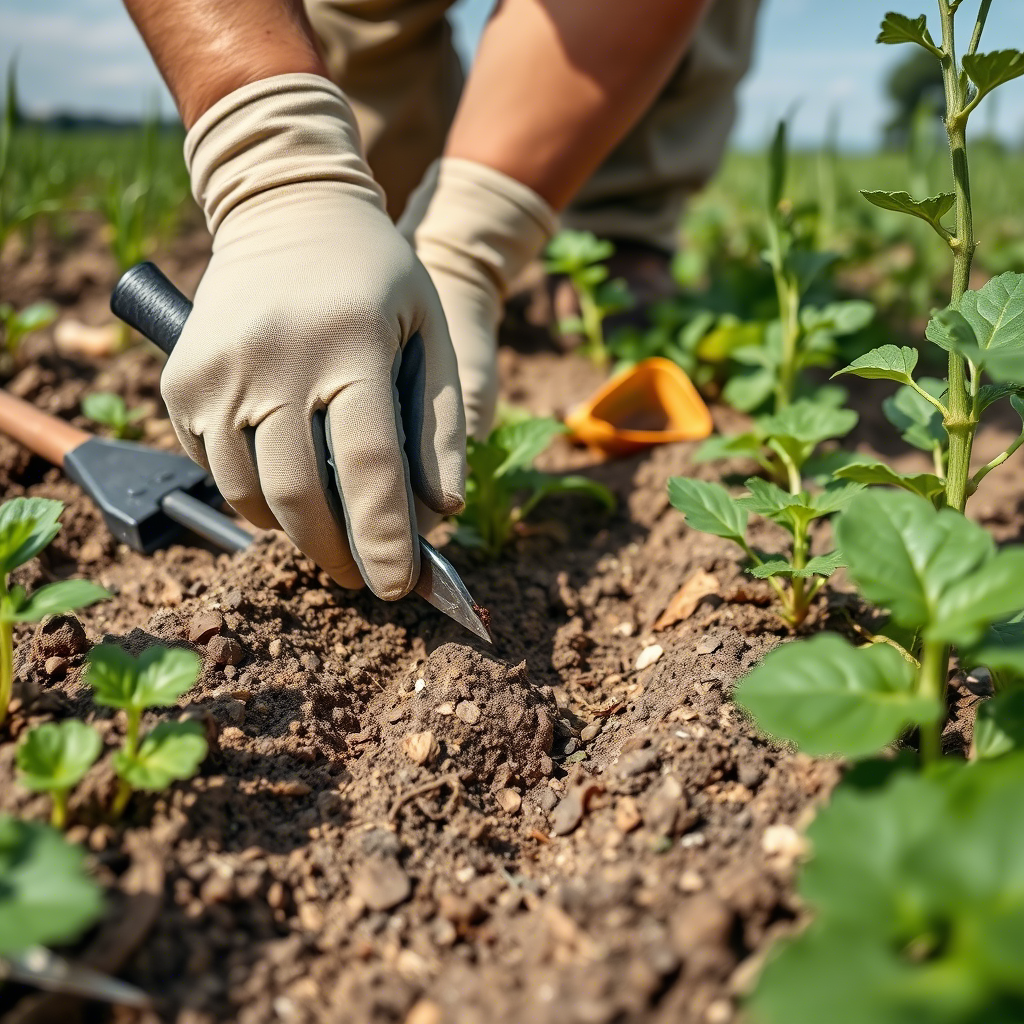
Understanding the Threat: Why Ant Control Matters in Agriculture
Ants become problematic in farming areas when their colonies grow unchecked. Certain species, such as fire ants, leafcutter ants, or invasive Argentine ants, can:
- Damage Crops: Leafcutter ants strip foliage, while fire ants attack seedlings and fruits.
- Protect Aphids and Scale Insects: Ants “farm” these pests for their sugary secretions, shielding them from predators.
- Disrupt Soil and Irrigation: Large nests undermine root systems and clog drip irrigation lines.
- Endanger Workers: Aggressive species like fire ants pose health risks to farm laborers.
To address these issues, farmers must deploy targeted solutions that minimize harm to pollinators, soil microbes, and aquatic ecosystems.
Types of Ant Pesticides: Chemical and Natural Options
Pesticides for ants fall into two categories: synthetic chemicals and natural/organic solutions. The choice depends on the severity of the infestation, crop type, and environmental considerations.
1. Synthetic Chemical Pesticides
These fast-acting solutions are ideal for severe infestations but require careful application to avoid resistance and ecological harm.
- Bait Stations
Bait systems use attractants laced with slow-acting insecticides (e.g., hydramethylnon, fipronil). Worker ants carry the bait back to the colony, eliminating the queen and nest. - Pros: Effective for large colonies; low risk of contaminating crops.
- Cons: Delayed results; non-target species may access bait.
- Liquid Insecticides
Broad-spectrum sprays (e.g., bifenthrin, deltamethrin) kill ants on contact and create residual barriers. - Pros: Immediate knockdown; long-lasting protection.
- Cons: Harmful to beneficial insects; potential runoff into waterways.
- Granular Insecticides
Granules (e.g., permethrin) are scattered around nests or crop perimeters and activated by watering. - Pros: Easy to apply; penetrates deep into nests.
- Cons: Risk of leaching into groundwater.

2. Natural and Organic Solutions
For eco-conscious farms or mild infestations, natural pesticides offer safer alternatives.
- Diatomaceous Earth (DE)
This powder, made from fossilized algae, dehydrates ants by damaging their exoskeletons. - Pros: Non-toxic to humans; effective against crawling pests.
- Cons: Requires reapplication after rain; ineffective if wet.
- Borax-Based Baits
A mixture of borax, sugar, and water attracts ants, which ingest the borax and die. - Pros: Low-cost; safe for organic farms.
- Cons: Slow-acting; toxic to pets in high doses.
- Essential Oils
Peppermint, tea tree, or citrus oils repel ants when sprayed around crops. - Pros: Chemical-free; pleasant aroma.
- Cons: Short-lived efficacy; frequent reapplication needed.
Step-by-Step Guide to Applying Ant Pesticides
- Identify the Ant Species
Determine whether the ants are invasive, native, or beneficial. Consult local agricultural extensions for guidance. - Locate Nests
Follow ant trails to find nests, often marked by soil mounds or near moisture sources. - Choose the Right Pesticide
- Use baits for colonies with multiple queens.
- Apply liquid barriers for perimeter defense.
- Opt for natural solutions in sensitive areas.
- Apply Safely
- Wear protective gear (gloves, masks).
- Avoid spraying during bloom times to protect pollinators.
- Follow label instructions for dosage and timing.
- Monitor and Reassess
Check treated areas weekly. Reapply baits or switch methods if ants persist.
Integrated Pest Management (IPM): Beyond Pesticides
IPM combines pesticides with cultural, biological, and mechanical controls for sustainable ant management:
- Cultural Controls
- Remove debris and weeds where ants nest.
- Use drip irrigation to reduce soil moisture near crops.
- Biological Controls
- Introduce nematodes or fungi that parasitize ant larvae.
- Encourage ant predators like birds, spiders, or beetles.
- Mechanical Controls
- Pour boiling water into small nests (avoid near plant roots).
- Use sticky barriers on tree trunks to prevent ants from tending aphids.
Safety and Environmental Considerations
- Protect Pollinators: Apply pesticides at dawn/dusk when bees are inactive.
- Avoid Runoff: Use granular products sparingly on sloped land.
- Rotate Pesticides: Prevent resistance by alternating active ingredients.
Case Study: Fire Ant Eradication in a Citrus Orchard
A Florida citrus farm reduced fire ant populations by 90% using a combination of hydramethylnon bait stations and diatomaceous earth. Monthly monitoring and spot treatments prevented reinfestation without harming honeybee populations.
1. Introduction: The Impact of Ants in Agriculture
Ants can disrupt farming by:
- Farming pests: Protecting aphids/scale insects for honeydew, promoting pest outbreaks.
- Crop damage: Feeding on seeds, fruits, and young plants.
- Soil disruption: Nesting in root zones, affecting plant stability and irrigation.
- Livestock risks: Aggressive species (e.g., fire ants) harming animals.
2. Identifying Ant Infestations
- Common Species:
- Fire ants: Aggressive, painful stings, build large soil mounds.
- Carpenter ants: Nest in wood, damaging structures.
- Argentine ants: Form massive colonies, protect aphids.
- Signs of Infestation:
- Visible trails leading to food sources.
- Soil mounds or disturbed ground near plants.
- Increased aphid/scale insect populations.
- Wilting plants with no obvious cause.
3. Prevention Strategies
- Sanitation:
- Remove crop residues, decaying organic matter, and spilled feed.
- Store harvests in sealed containers.
- Moisture Management: Fix leaks and avoid overwatering.
- Physical Barriers:
- Apply sticky bands or diatomaceous earth around tree trunks.
- Use gravel or mulch barriers around beds.
- Crop Rotation/Intercropping: Plant ant-repellent species (e.g., mint, garlic).
- Regular Monitoring: Inspect fields weekly for early signs.
4. Natural and Mechanical Control
- Biocontrol:
- Encourage natural predators (birds, frogs, parasitic nematodes like Steinernema spp.).
- Mechanical Methods:
- Pour boiling water into nests (repeat as needed).
- Apply food-grade diatomaceous earth around nests.
- Use sticky traps on plant stems.
- Cultural Practices:
- Till soil to disrupt nests.
- Flood irrigation to drown colonies.
5. Chemical Control
- Bait Stations:
- Active Ingredients: Fipronil, hydramethylnon.
- Ants carry poison to the colony, effective in 1–2 weeks.
- Contact Insecticides:
- Pyrethroids (e.g., bifenthrin) for immediate knockdown.
- Apply directly to nests or trails.
- Systemic Pesticides:
- Imidacloprid for plants affected by aphid-farming ants.
- Application Tips:
- Treat during dry, cool weather (dawn/dusk).
- Rotate chemicals to prevent resistance.
6. Safety and Environmental Considerations
- Protective Gear: Gloves, masks, and goggles during application.
- Environmental Impact:
- Avoid spraying near water sources.
- Use targeted baits to minimize non-target exposure.
- Disposal: Follow local guidelines for pesticide containers.
7. FAQs
- Are pesticides safe for crops/livestock?
- Use EPA-approved products as directed. Isolate livestock during treatment.
- Do home remedies (vinegar, cinnamon) work?
- Temporary fixes; not effective for large infestations.
- How long until results appear?
- Baits: 1–2 weeks. Contact insecticides: Immediate but may require reapplication.
- Preventing recurrence?
- Combine sanitation, monitoring, and barriers.
- Reapply baits seasonally.
- Organic options?
- Diatomaceous earth, spinosad-based baits, and neem oil.
8. Integrated Pest Management (IPM)
Combine methods for sustainable control:
- Monitor regularly.
- Start with natural/mechanical controls.
- Use chemicals judiciously.
- Adapt strategies based on ant species and infestation severity.
Conclusion
Removing ants from farming areas demands a tailored approach. Synthetic pesticides provide rapid relief for severe infestations, while natural solutions and IPM practices ensure long-term sustainability. By prioritizing precision, safety, and ecological balance, farmers can protect their crops and contribute to healthier agroecosystems.
Final Tips:
- Regularly inspect fields for early signs of ants.
- Combine pesticides with habitat modification.
- Consult experts for species-specific advice.
By adopting these strategies, farmers can achieve effective ant control while preserving the integrity of their land and livelihoods.
