
- Introduction to Urban Agriculture and Soil Born Farms
- Understanding the Mission of Soil Born Farms
- Step-by-Step Guide to Launching an Urban Agriculture Project
- 3.1 Planning and Design
- 3.2 Building Farm Infrastructure
- 3.3 Incorporating Educational Programs
- 3.4 Engaging the Community
- 3.5 Sustainable Practices and Maintenance
- Key Educational Strategies for Success
- Overcoming Common Challenges
- Case Studies and Success Stories
- Resources and Tools for Urban Farmers
- Conclusion: Cultivating Change Through Urban Agriculture
1. Introduction to Urban Agriculture and Soil Born Farms
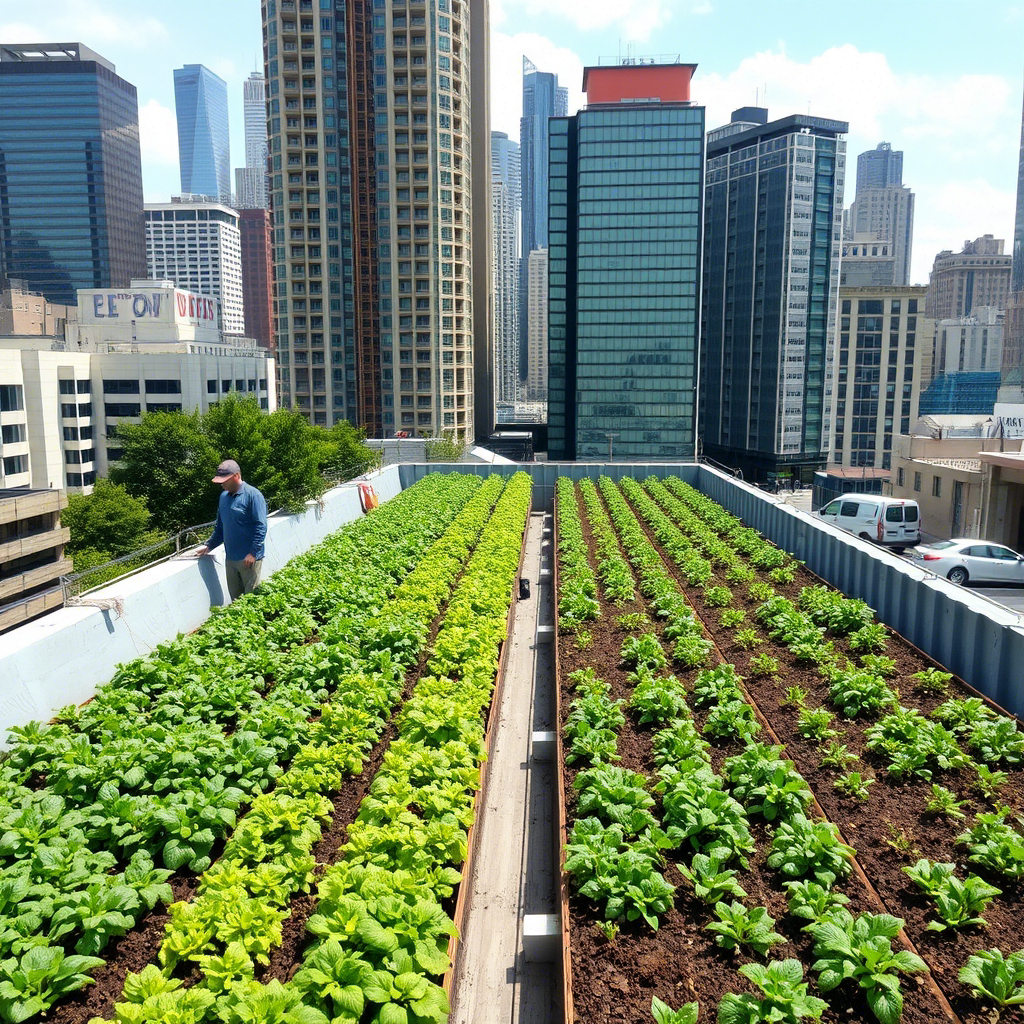
Urban agriculture is reshaping cities worldwide, transforming vacant lots, rooftops, and backyards into vibrant spaces for growing food, fostering community, and educating future generations. At the heart of this movement is Soil Born Farms, a Sacramento-based nonprofit that has become a model for integrating urban farming with hands-on education. Founded in 2000, Soil Born Farms demonstrates how agriculture can address food insecurity, environmental stewardship, and social equity in urban settings.
This guide provides a roadmap for replicating Soil Born Farms’ success, whether you’re starting a community garden, school farm, or citywide agricultural initiative.
2. Understanding the Mission of Soil Born Farms
Soil Born Farms operates on three core pillars:
- Food Production: Growing organic, nutrient-dense produce for local communities.
- Education: Teaching children and adults about nutrition, ecology, and sustainable farming.
- Community Health: Improving access to fresh food and creating green spaces for wellness.
By aligning your project with similar values, you ensure it meets both environmental and social needs.
3. Step-by-Step Guide to Launching an Urban Agriculture Project
3.1 Planning and Design
A. Site Selection
- Criteria: Choose a location with ample sunlight (6–8 hours daily), access to water, and proximity to the community.
- Soil Testing: Test for contaminants like lead. Use raised beds if soil quality is poor.
- Zoning Laws: Ensure compliance with local regulations for urban farming.
B. Design Principles
- Functional Layout: Include growing areas, compost systems, tool storage, and gathering spaces.
- Accessibility: Design paths wide enough for wheelchairs and strollers.
- Educational Zones: Create spaces for workshops, signage, and interactive displays.
Example Layout Table
| Zone | Purpose | Size (sq ft) |
|---|---|---|
| Vegetable Beds | Annual crops (tomatoes, greens) | 1,200 |
| Orchard | Fruit trees (citrus, figs) | 800 |
| Classroom | Workshops and school groups | 400 |
| Compost Area | Recycling organic waste | 200 |
3.2 Building Farm Infrastructure
A. Raised Beds and Containers
- Use untreated wood or recycled materials for beds.
- Opt for vertical gardening (trellises, pallets) in small spaces.
B. Irrigation Systems
- Install drip irrigation to conserve water.
- Use rain barrels to collect runoff.
C. Composting
- Set up a three-bin system (active, curing, finished).
- Educate volunteers on balancing greens (nitrogen) and browns (carbon).
3.3 Incorporating Educational Programs
A. School Partnerships
- Develop farm-to-school programs with lessons tied to science curricula.
- Host field trips with activities like planting, harvesting, and cooking.
B. Adult Workshops
- Topics: Organic gardening, permaculture, food preservation.
- Collaborate with local chefs for cooking demos using farm produce.
Sample Workshop Calendar
| Month | Workshop Topic | Audience |
|---|---|---|
| March | Spring Planting Basics | Home Gardeners |
| June | Composting 101 | Community |
| September | Harvest Fest & Food Preservation | Families |
3.4 Engaging the Community
- Volunteer Programs: Offer regular workdays with roles for all skill levels.
- CSA (Community Supported Agriculture): Sell shares to fund the project.
- Pop-Up Markets: Sell produce onsite or partner with local markets.
3.5 Sustainable Practices and Maintenance
- Organic Certification: Avoid synthetic pesticides; use companion planting for pest control.
- Crop Rotation: Prevent soil depletion by rotating plant families annually.
- Wildlife Habitats: Install bee hotels and birdhouses to boost biodiversity.
4. Key Educational Strategies for Success
- Experiential Learning: Let participants get their hands dirty. For example, teach composting by building a pile together.
- Cultural Relevance: Grow crops that reflect the community’s heritage (e.g., okra, amaranth).
- Youth Leadership: Train teens as “Farm Ambassadors” to lead tours and workshops.
5. Overcoming Common Challenges
- Funding: Apply for grants (e.g., USDA Urban Agriculture Program) or launch crowdfunding campaigns.
- Vandalism/Theft: Install fences and involve neighbors as stewards.
- Soil Contamination: Use raised beds with clean soil or phytoremediation (plants that absorb toxins).
6. Case Studies and Success Stories
- Soil Born Farms’ Youth Program: Teens manage a 1-acre farm, supplying produce to food banks.
- The “Farm at Roosevelt”: A school-based garden in Sacramento teaching 500+ students annually.
7. Resources and Tools for Urban Farmers
- Books: The Urban Farmer by Curtis Stone, Farm City by Novella Carpenter.
- Organizations: American Community Gardening Association, Urban Farming Institute.
- Software: FarmOS for crop planning, Trello for volunteer coordination.
Tool Checklist
- Shovels, rakes, and hoes
- Seedling trays and potting soil
- Irrigation tubing and timers
- Educational signage
8. Conclusion: Cultivating Change Through Urban Agriculture
Urban agriculture is more than growing food—it’s a tool for justice, education, and resilience. By following Soil Born Farms’ model, you can create a project that nourishes bodies, minds, and communities. Start small, collaborate widely, and let the land be your teacher.
Final Tip: Document your journey through photos, blogs, or social media to inspire others!
